Saluting the Start
On Jan. 13, 1981, NCAA governance approved a plan to include women’s athletics programs and services within the NCAA structure. This opened the door to increased athletic and academic opportunities for female athletes.
Today, the NCAA sponsors 45 women’s championships and three coed championships in 21 sports, providing more than 225,000 women with an opportunity to compete for national titles each year.
Over a span of two years, 13 women’s sports held their first official NCAA championship events, starting with field hockey and cross country in November 1981 and continuing each season until Division I added indoor track and field in March 1983.

The 1981 Southern California women's volleyball team defeated UCLA in five sets to win the first NCAA Division I Women's Volleyball Championship.

The 1982 Massachusetts women's lacrosse team prevailed over The College of New Jersey to win the National Collegiate championship and cap an undefeated season.

Making Championship History
Former DePaul standout Julianne Sitch made history by becoming the first female head coach of an NCAA men’s team to win a national championship.
The University of Chicago men’s soccer team that she led captured the Division III championship Dec. 3, 2022. The Maroons topped Williams 2-0 in the title game, capping Sitch’s inaugural season as head coach with a 22-0-1 record.
Emerging Sports for Women
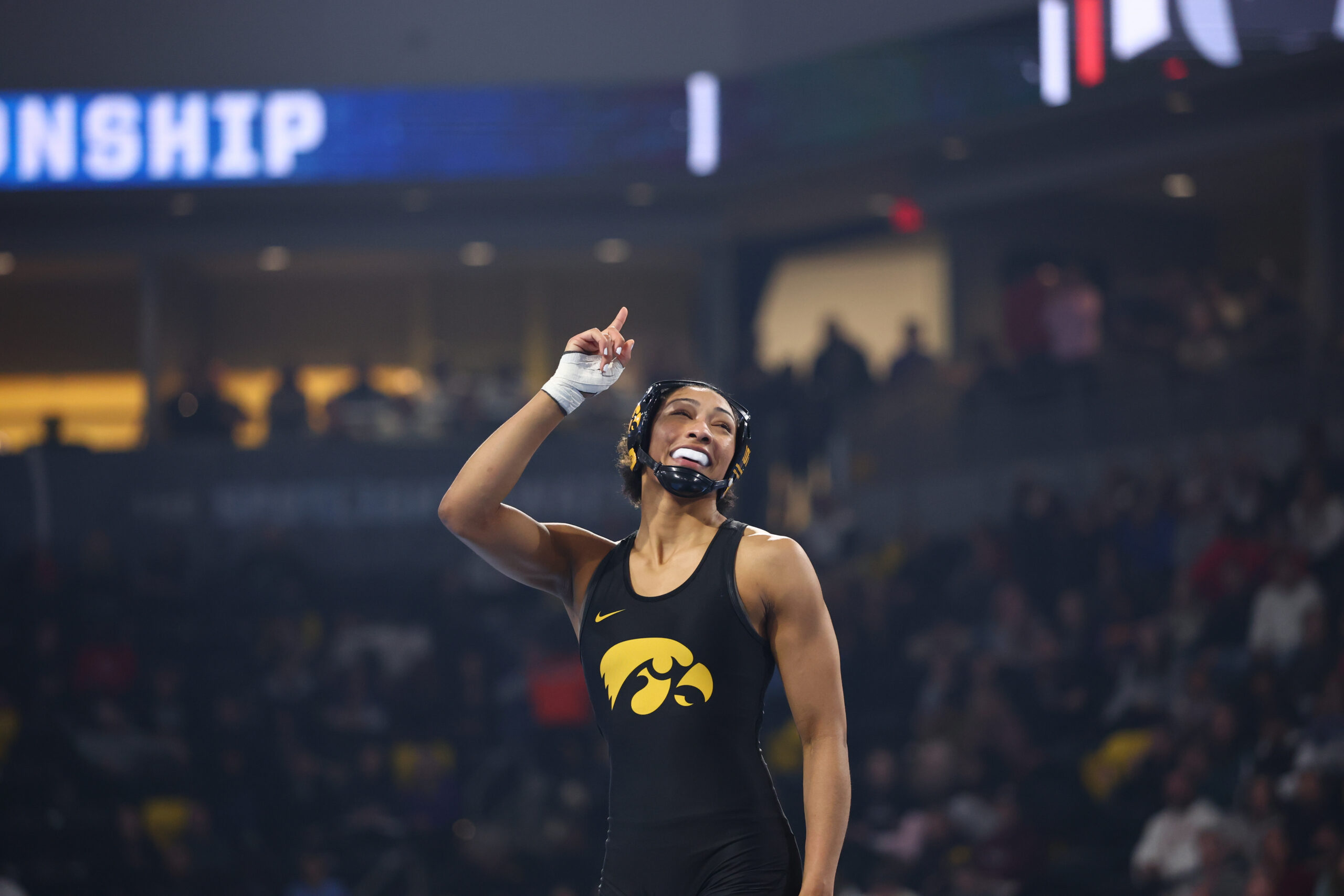
The Emerging Sports for Women Program continues to be a catalyst for increasing opportunities for female student-athletes.
Since the program was established in 1994, based on a recommendation from the NCAA Gender Equity Task Force, five women’s sports have earned NCAA championship status: rowing in 1996, ice hockey in 2000, water polo in 2000, bowling in 2003 and beach volleyball in 2015.
In the 2021-22 academic year, those sports collectively included more than 13,000 student-athletes, about 6% of the total student-athletes competing in NCAA women’s championship sports, according to NCAA Sports Sponsorship and Participation Rates data released in December 2022 by NCAA research. Women’s rowing accounted for more than 6,800 of those student-athletes.
Six sports are currently in the Emerging Sports for Women program: stunt, acrobatics and tumbling, equestrian, rugby, triathlon and flag football.
Emerging Opportunities
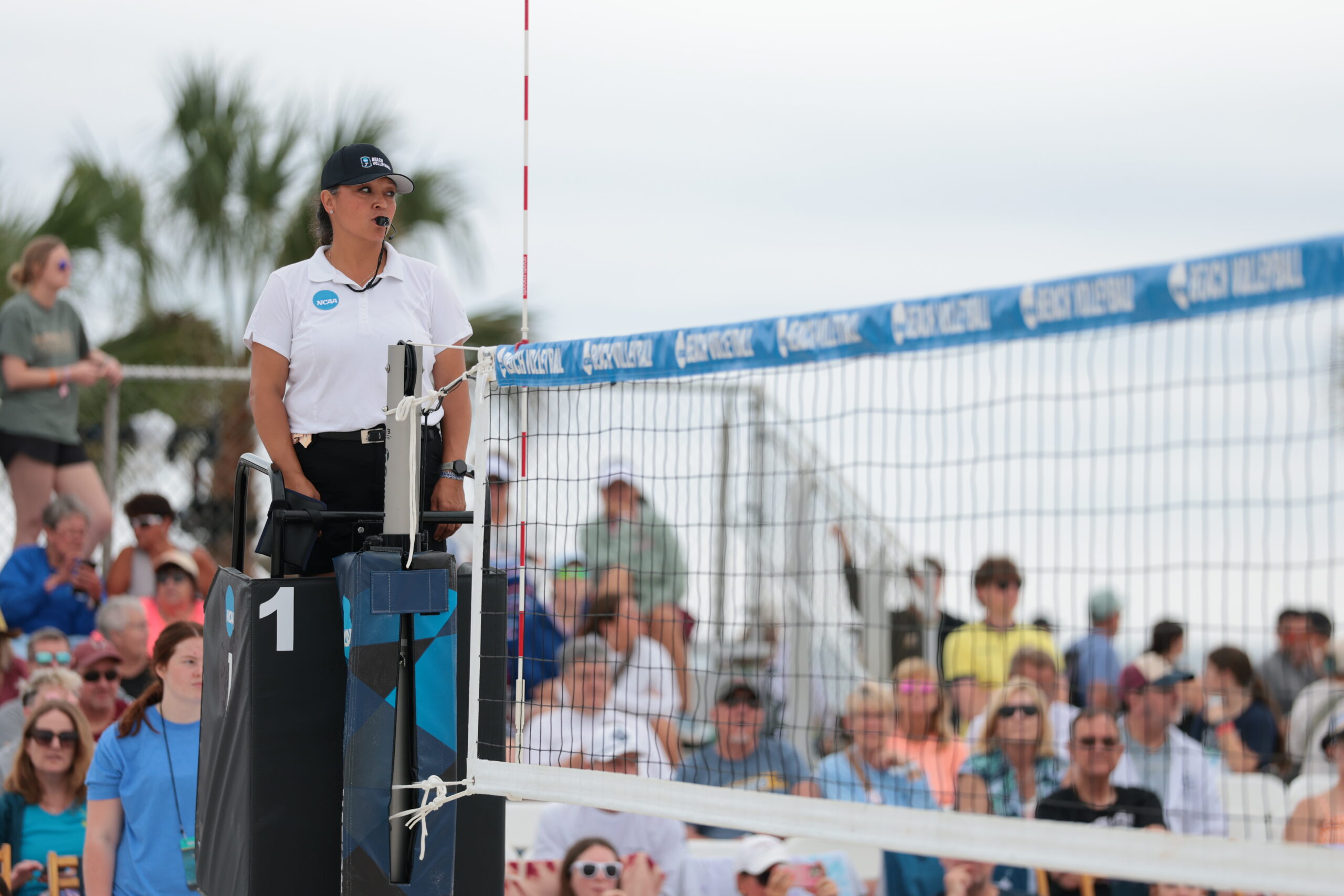
In addition to the positive steps women are making as student-athletes, directors of athletics, head coaches, presidents and chancellors, conference commissioners and head athletic trainers, women have also been leaving their mark as officials.
In March 2023, referees Crystal Hogan and Kara Hunter became the first women to officiate games in the NCAA Division III Men’s Basketball Championship.
Also of note, Maryville (Tennessee) Director of Athletics Sara Quatrocky was the first woman to lead the Division III Men’s Basketball Committee.
The NCAA’s Say Yes to Officiating program is dedicated to partnering with other organizations in the recruitment, retention and education/training of officials and the improvement of behavior and the game environment in college sports.
Maddie Hommey, who competed in soccer at Longwood from 2017 to 2021 and was a member of the Division I Student-Athlete Advisory Committee, enjoyed officiating from the start of her career and has set a goal of becoming a college official in the future
NCAA National Office Namesake Rooms
Throughout the NCAA national office in Indianapolis, several meeting rooms and displays have been dedicated to recognize the achievements and contributions of women.
Christine Grant Ballroom – Named for the first women’s athletics director at Iowa, who championed the fight for gender equity in athletics and was a founding member of the Association of Intercollegiate Athletics for Women. Grant was recognized for her efforts as the fifth recipient of the NCAA President’s Gerald R. Ford Award in 2007.
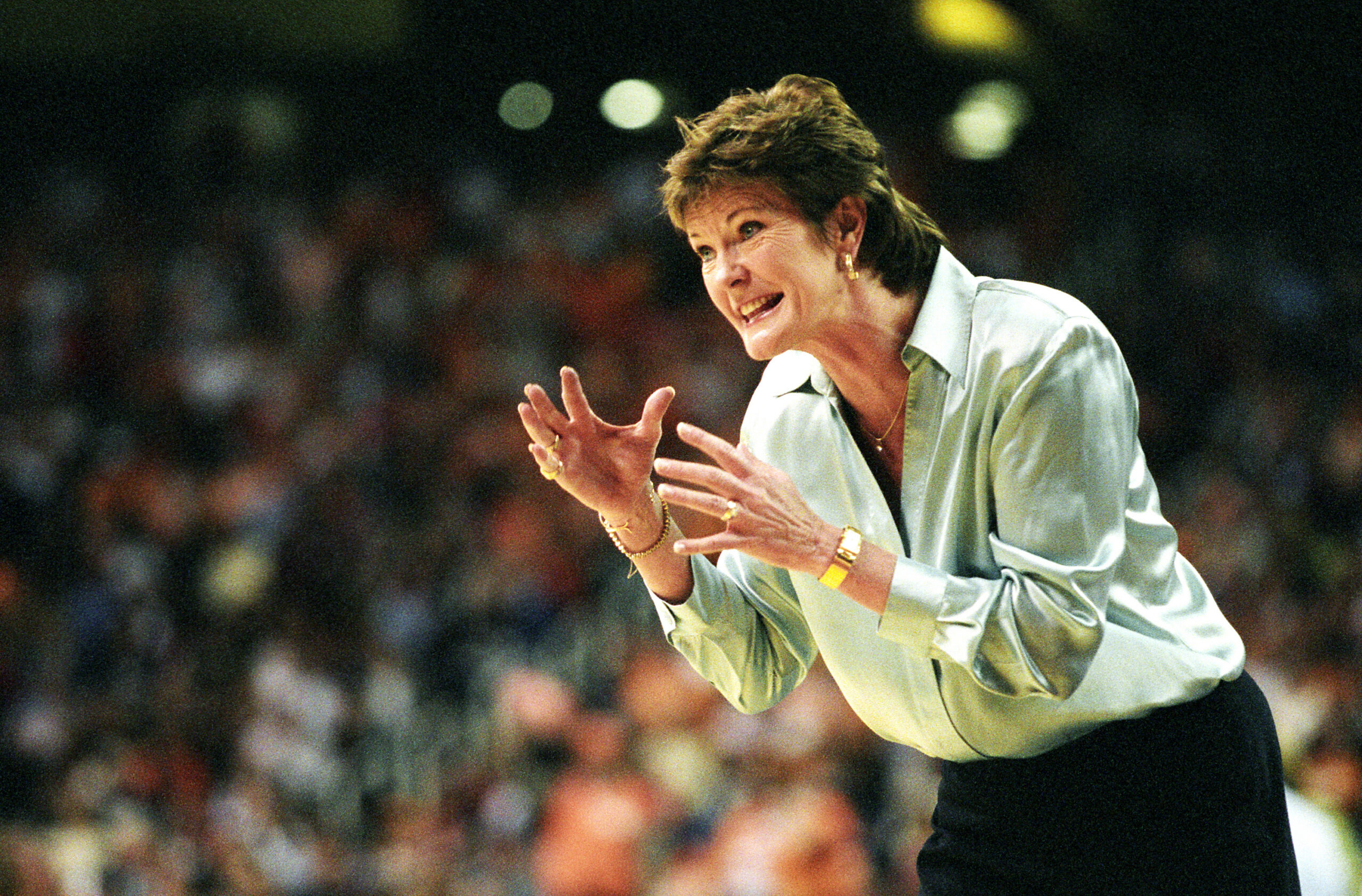
Pat Summitt/John Wooden Room – Named for two coaching icons in collegiate basketball. Summitt earned 1,098 wins and eight NCAA championships as head coach of the Tennessee Lady Vols from 1974 to 2012, while Wooden registered 10 NCAA championships in 12 years, including a record seven in a row, as head coach for the UCLA Bruins.
Judith Sweet Room – Named for the NCAA’s first female membership president and first president from Division III, who later served as senior vice president for championships and education services at the national office. Sweet also served 24 years as the athletics director at UC San Diego. In 2006, Sweet was listed among the NCAA’s Centennial Anniversary 100 Most Influential Student-Athletes.
Charlotte West Room – Named for a pioneer and visionary for women’s athletics and Title IX, who also served as Southern Illinois athletics director for women for more than two decades. In addition, West served as president of the Association for Intercollegiate Athletics for Women, a member of the U.S. Olympic Committee and one of the first female members of the National Association of Collegiate Directors of Athletics. She also was the first recipient of the Honda Award, a national honor given for outstanding achievement in women’s collegiate athletics.
Althea Gibson Room – Named for the pioneer who helped pave the way for women and minorities in athletics. Gibson became the first African American athlete to win a Grand Slam professional tennis tournament, the 1956 French Championships singles event, and later became the first Black champion at Wimbledon. A winner of 56 national and international singles and doubles titles, including five Grand Slam singles titles, the Florida A&M graduate retired from tennis and later became the first African American woman to join the Ladies Professional Golf Association tour in 1964. Gibson became the first woman to receive the Theodore Roosevelt Award – the NCAA’s most prestigious honor – in 1991.