Origins of the NCAA
Important as the forward pass and the two-point conversion rule have been to the evolution of football, neither has influenced the overall development of intercollegiate athletics as did the flying wedge at the turn of the 20th century.
It was the flying wedge, football’s major offense in 1905, that spurred the formation of the National Collegiate Athletic Association.
The rugged nature of football, typified by the mass formations and gang tackling, was causing too many injuries and deaths. Many institutions discontinued the sport. Others advocated that it be abolished from the intercollegiate program.
Public clamor rose to such crescendo that President Theodore Roosevelt summoned athletic leaders to two White House conferences to urge reformation of the game and warned an executive edict might be forthcoming if his request passed unheeded.
The NCAA evolved from a meeting of 13 colleges and universities called in early December, 1905, to bring about reforms in the playing rules. At a second meeting December 28 in New York, the Intercollegiate Athletic Association was founded, and was officially constituted March 31, 1906. The NCAA took its present name in 1910.
NCAA History at a Glance
Foundation: 1900's – 1930's
Oct. 9, 1905: Theodore Roosevelt invites leaders of collegiate football, including representatives of Harvard, Princeton and Yale, to the White House for a discussion on reforming or abolishing the game during a season that produced 18 deaths and 149 serious injuries attributed to the sport.
Dec. 9, 1905: Thirteen football-playing schools accept New York University Chancellor Henry M. MacCracken’s invitation to a “reform conference.”
Dec. 28, 1905: A second football reform conference involving 62 football-playing schools is held, resulting in the formation of the Intercollegiate Athletic Association of the United States, the precursor to the NCAA.
1906: Palmer Pierce becomes the Association’s first president, holding office from 1906 to 1913 and from 1917 to 1929.
Dec. 29, 1910: The IAAUS is renamed the National Collegiate Athletic Association.
June 17-18, 1921: Sixty-two teams participate in the first NCAA-sponsored championship, the National Collegiate Track and Field Championships, at the University of Chicago. Among the champions is Leonard Paulu of Grinnell, a veteran who lost an eye in World War I.
Dec. 28, 1922: Ten-point code adopted (conferences, athletic eligibility, freshman rule, ban on playing pro football or for noncollegiate teams, three-year participation, no graduate students, faculty control, anti-betting, restrictions on transfers, and visits to colleges by NCAA district representatives to advocate for Association principles).
March 27, 1939: The first National Collegiate Basketball Championship is conducted at Northwestern. The University of Oregon wins the first title.
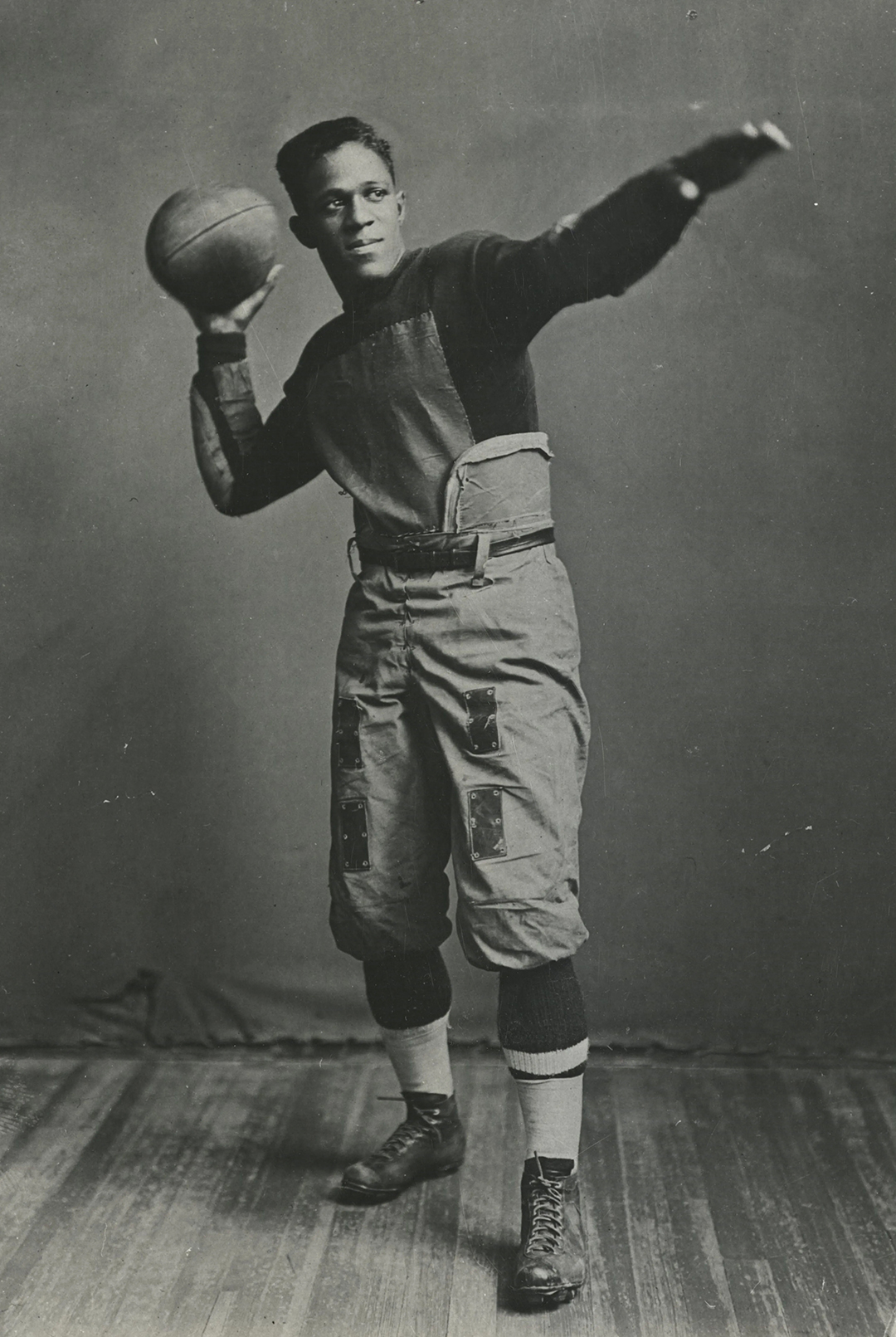
1916 — Fritz Pollard named All-American
Brown University’s Fredrick “Fritz” Pollard becomes the first African American back named to an All-American team in football.
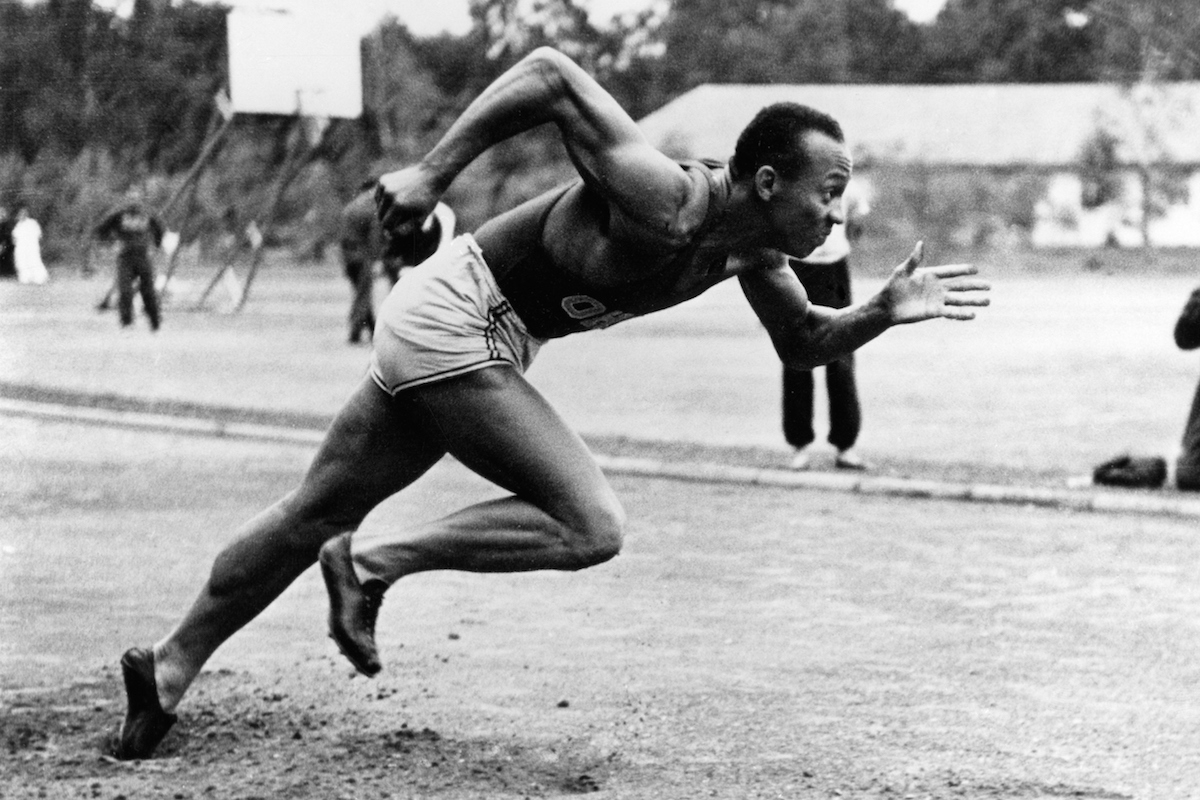
1935 — Jesse Owens dominates NCAA competition
Ohio State’s Jesse Owens breaks four world records at the Big Ten Conference track championships. A month later, he becomes the first athlete to win four individual titles in one year at the NCAA Outdoor Track and Field Championships, a feat he repeats the following year.
Stabilization: 1940's – 1960's
July 22-23, 1946: The Conference of Conferences is held in Chicago, resulting in the development of the “Principles for the Conduct of Intercollegiate Athletics.” Five points of the principles — known as the “Sanity Code” — formally were adopted in 1948.
Oct. 1, 1951: Walter Byers becomes the first full-time executive director of the NCAA after serving since 1947 as part-time executive assistant.
July 28, 1952: The NCAA national office moves from Chicago to Kansas City, Missouri.
Jan. 10, 1956: Delegates at the 50th NCAA Convention approve the first College Division championship (basketball, for 1957); the NCAA treasurer reports the Association to be in stable financial condition for the first time.
March 13-15, 1957: The first College Division Basketball Championship is conducted at the University of Evansville.
April 18, 1964: The NCAA authorizes 32 $1,000 postgraduate scholarships for varsity letter winners.
April 19, 1964: A Special Committee on Women’s Competition is appointed.
Sept. 1, 1968: A total of 223 members select membership in the University Division and 386 in the College Division under new legislation.
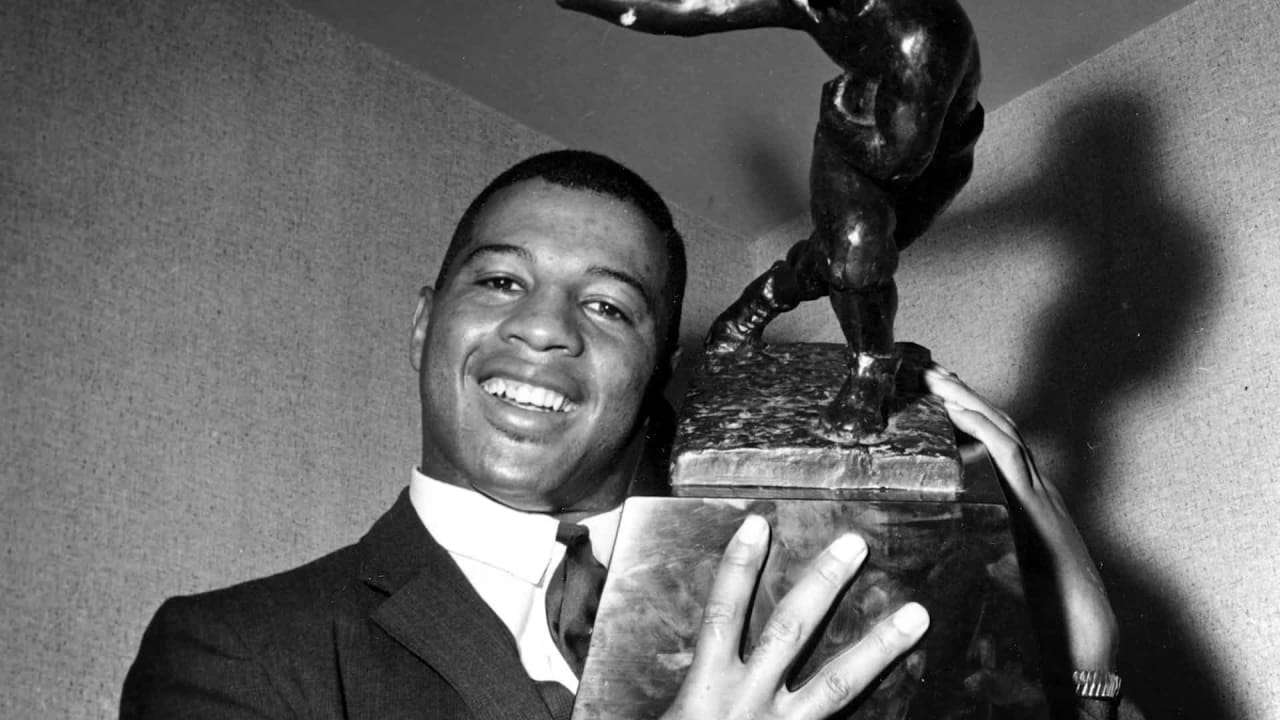
1961 — Ernie Davis wins the Heisman Trophy
Syracuse running back Ernie Davis becomes the first Black athlete to win the Heisman Trophy.
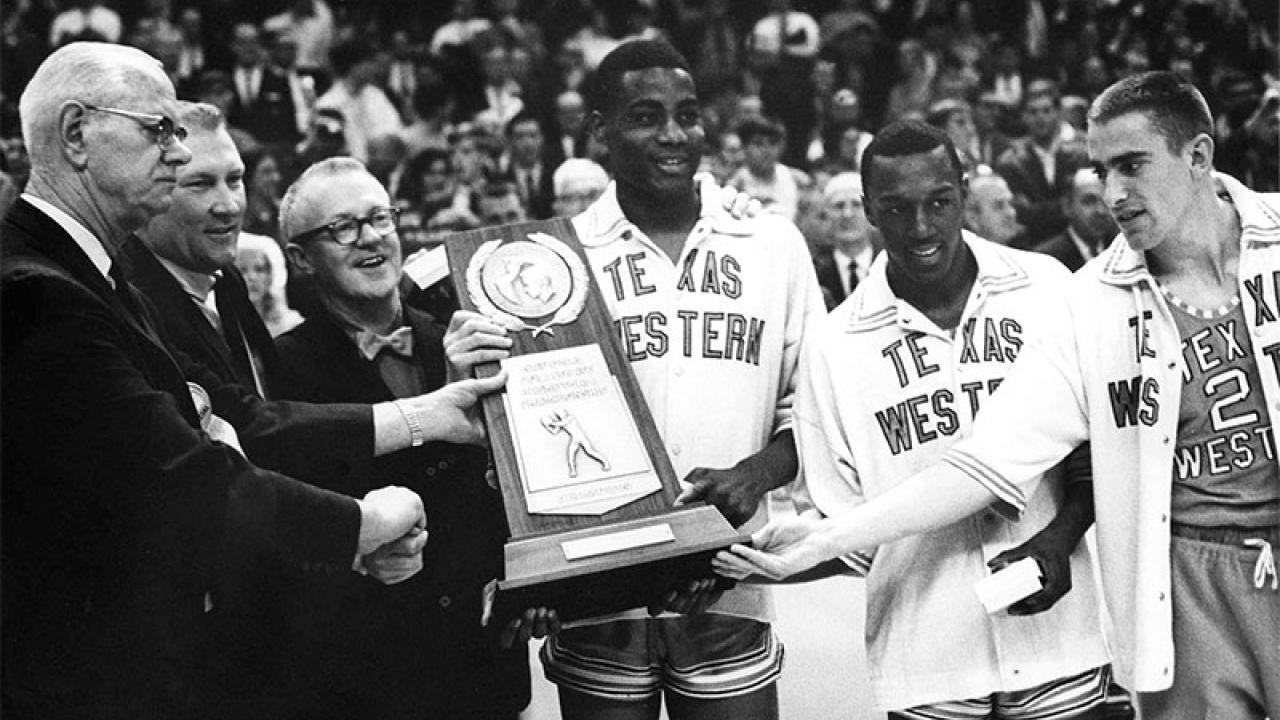
1966 — Texas Western wins NCAA basketball championship
Texas Western College (now UTEP) defeats Kentucky in the basketball final with a starting team consisting entirely of black players.
Expansion: 1970's – 1990's
June 23, 1972: President Richard Nixon signs Title IX of the Education Amendments of 1972, which prohibits discrimination based on sex in education programs or activities that receive federal financial assistance. The landmark legislation leads to new opportunities for women and girls to participate in athletics.
Aug. 6, 1973: The NCAA membership votes in a Special Convention to reorganize into three divisions.
Aug. 14-15, 1975: The second Special Convention addresses recruiting limitations, financial aid limits, and football and basketball staff and squad sizes.
Jan. 11-13, 1978: Division I realigns into I-A and I-AA for football.
Jan. 13, 1981: A governance plan that includes women’s athletics programs and services within the NCAA structure is approved.
November 1981: The first NCAA women’s championships are conducted in Divisions I, II and III field hockey and cross country.
June 27, 1984: The U.S. Supreme Court upholds a ruling that the NCAA Football Television Plan violates the Sherman Antitrust Act.
January 1994: Division I commissioners create an NCAA membership restructuring proposal, prompting the appointment of three division-specific restructuring task forces.
Jan. 13, 1997: Membership restructuring is approved. The new governance structure, which is implemented in August, provides a more federated means of governance, along with a greater leadership role for presidents and chancellors.
July 27, 1999: The NCAA relocates its national office to Indianapolis.
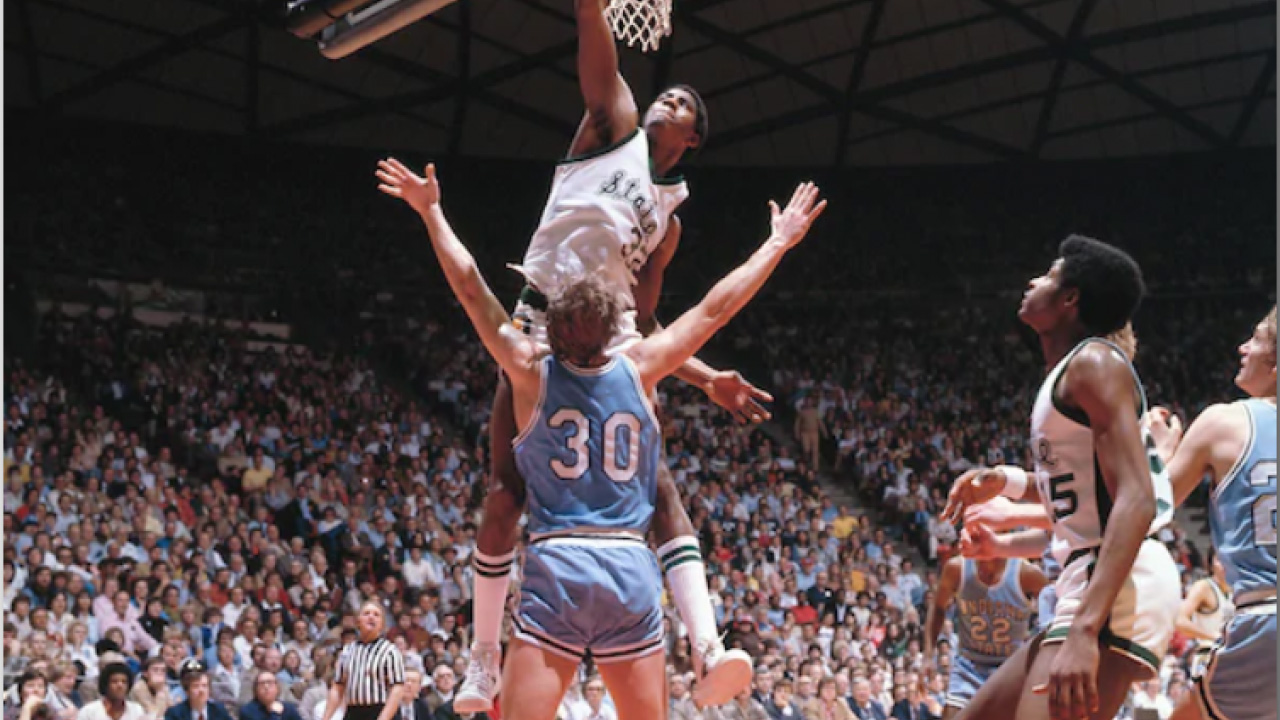
1979 — Magic Johnson vs. Larry Bird national championship
Michigan State and Magic Johnson defeat Indiana State and Larry Bird in the Division I Basketball Championship final. The telecast on NBC attracts a rating of 24.1, the highest ever for the event.
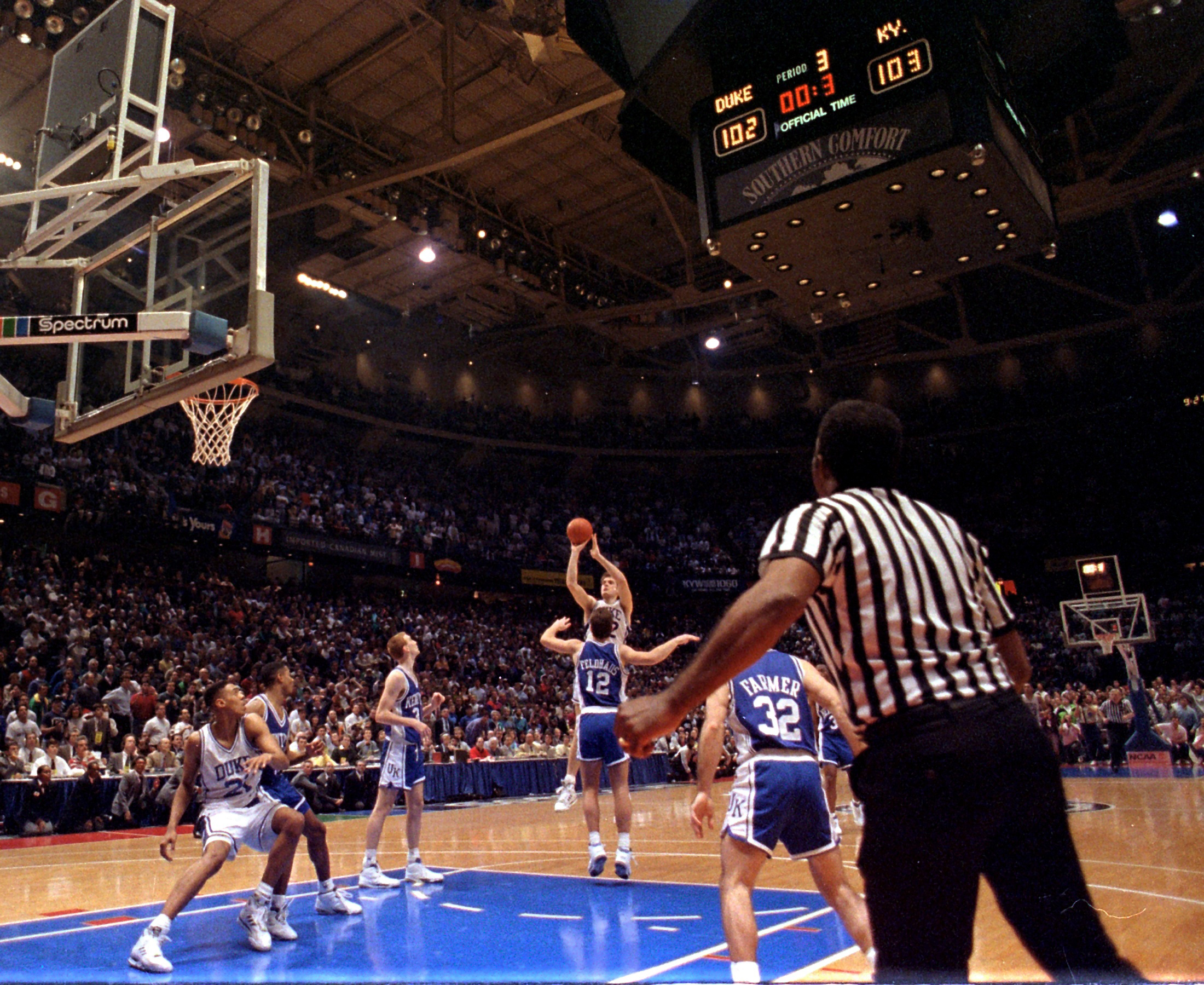
1992 — Duke vs. Kentucky “The Shot”
In what is often called “the greatest game,” Duke’s Christian Laettner hits a buzzer-beating 17-foot jump shot after a length-of-the-court inbounds pass from Grant Hill in overtime of the 1992 East Regional final to defeat Kentucky and advance to the Men’s Final Four.
Modernization: 2000's – 2010's
2003: The Playing Rules Oversight Panel is formed as an Association-wide committee to review playing rules proposals, especially those involving player safety, financial impact or image of the game, and to review playing rules issues, including implementation of playing rules proposed by playing rules committees.
Jan. 10, 2005: The Division I Board of Directors adopts an Academic Progress Rate, subjecting teams that fail to meet established minimum scores to possible penalties ranging from loss of scholarships to postseason bans and membership restrictions.
2010: The reach and visibility of the NCAA Division I Men’s Basketball Championship expands with the announcement of a new 14-year, $10.8 billion television, Internet and wireless rights agreement with CBS Sports and Turner Broadcasting System.
2013: The NCAA Sport Science Institute is created to develop interassociation consensus documents and educational resources to assist member schools in their efforts to ensure student-athlete health and safety.
Aug. 7, 2014: The Division I Board of Directors restructures how schools and conferences govern themselves, paving the way for student-athletes to have a voice and a vote at every level of decision-making. The new structure leads to the creation of the Division I Council, with seven committees reporting to it.
October 2017: In response to allegations and an FBI investigation, the NCAA forms the independent Commission on College Basketball, chaired by former U.S. Secretary of State Condoleezza Rice. The commission is charged with examining the relationship among youth basketball organizations, the NCAA and its member schools, agents, shoe companies and the NBA and recommending comprehensive changes.
August 2018: The NCAA Board of Governors and Division I Board of Directors adopt a series of changes in response to the Commission on College Basketball recommendations. Changes include adding independent members to the Board of Governors, providing college basketball players more flexibility to decide their futures, making the investigations and infractions process more efficient, and setting stronger penalties for those who break the rules.
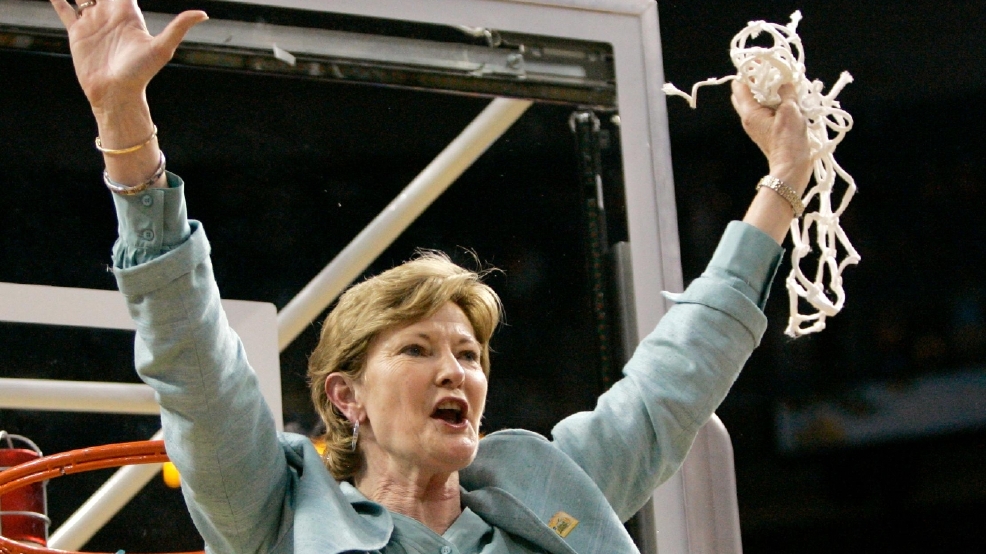
2012 — Pat Summitt retires from Tennessee
Legendary Tennessee Lady Vols coach Pat Summitt retires after 38 years of coaching. Summitt accumulated 1,098 wins, which was a record for any NCAA men’s or women’s basketball coach at the time of her retirement. She led Tennessee to eight NCAA national championships.
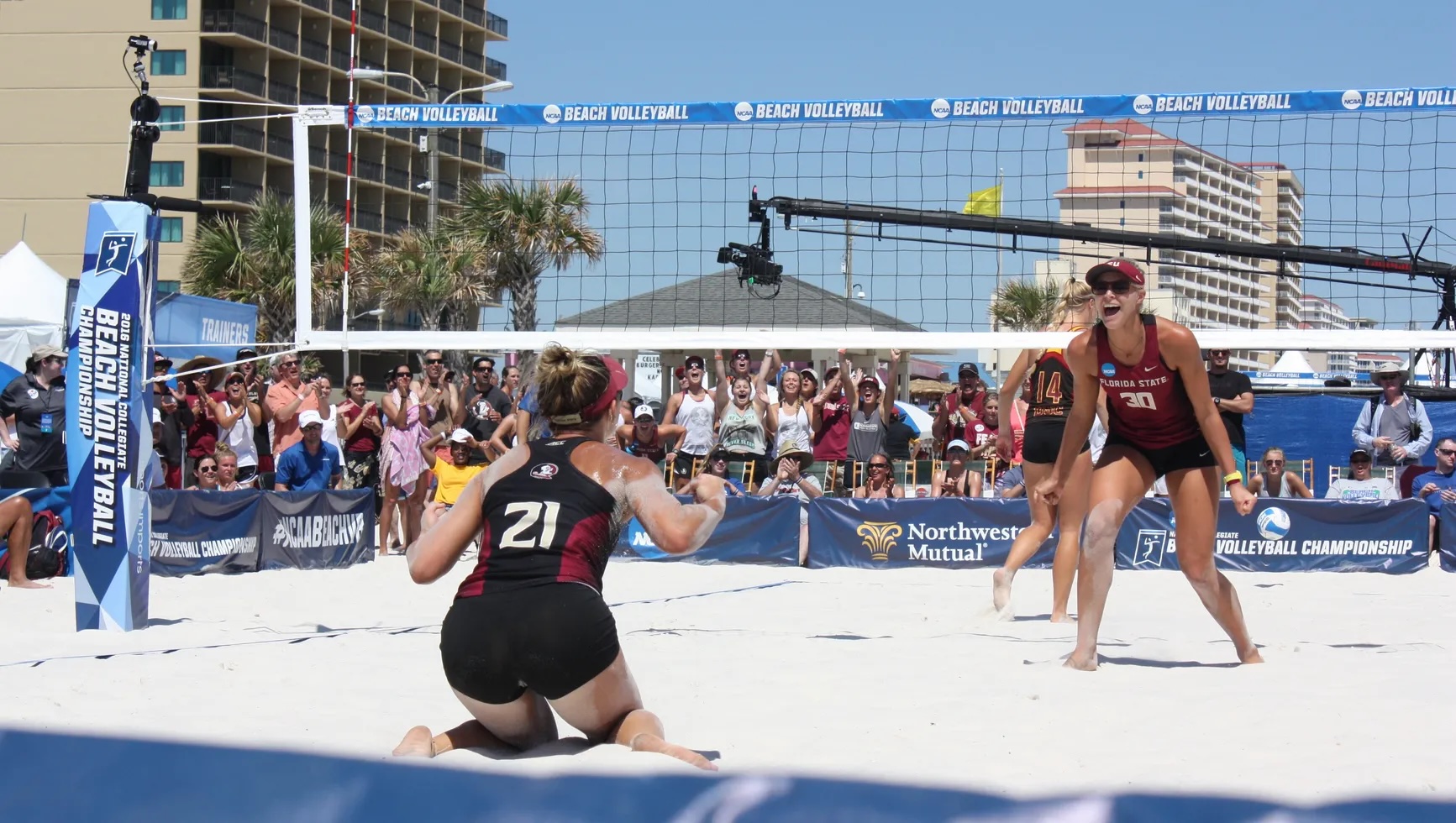
2016 — NCAA Beach Volleyball Championship debuts
Beach volleyball, the 90th NCAA championship, begins play in Gulf Shores, Alabama. The sport was placed on the NCAA emerging sports for women list in 2009 and reached championship status faster than any sport on the list. Southern California defeats Florida State 3-0 in the final dual to win the first NCAA Beach Volleyball Championship.
Transformation: 2020's – Present
March 12, 2020: The Division I Men’s Basketball Championship, which had been played every year since 1939, and the Division I Women’s Basketball Championship are canceled for the first time by the NCAA Board of Governors due to the COVID-19 pandemic. All 2020 NCAA winter and spring sports are canceled, as well.
June 21, 2021: The Supreme Court upholds a lower court decision that the NCAA can’t limit education-related benefits that colleges can offer student-athletes.
June 30, 2021: Governance bodies in all three NCAA divisions adopt a uniform interim policy suspending name, image and likeness (NIL) rules for all incoming and current student-athletes in all sports, effective July 1.
Jan. 20, 2022: Representatives from campuses and conferences in all three divisions approve a new constitution for the Association at the NCAA Convention. The new constitution provides significant authority to the three divisions to reorganize and restructure.
Aug. 31, 2022: Division I adopts changes to the infractions process in an attempt to expedite the process, increase transparency and encourage member cooperation. Among the changes is the discontinuation of the Independent Accountability Resolution Process.
Dec. 15, 2022: The NCAA Board of Governors announces Massachusetts Gov. Charlie Baker will become the new NCAA president in March, replacing President Mark Emmert.
April 22, 2024: Division I changes its transfer rules to allow student-athletes who meet certain academic eligibility requirements to be immediately eligible at their next school, regardless of whether they transferred previously. The division also changes name, image and likeness rules to allow schools to help student-athletes identify NIL opportunities and facilitate deals between student-athletes and third parties.
Aug. 1, 2024: NCAA post-eligibility insurance coverage goes into effect for all student-athletes, and a series of Division I core guarantees that deliver increased benefits to college athletes goes into effect. The core guarantees include expanded health care coverage; increased mental health support; academic guarantees; and name, image and likeness resources.
June 6, 2025: A U.S. District Court judge approves the House settlement, resolving three class-actions suits involving the NCAA and the Autonomy 5 conferences. The agreement includes total back damages for student-athletes of approximately $2.78 billion, to be paid over 10 years. It also enables Division I schools to provide up to 22% of the average Autonomy 5 athletic, media, ticket and sponsorship revenue to student-athletes, starting at $20.5 million in the 2025-26 academic year. Additionally, it establishes clear and specific rules to regulate third-party name, image and likeness agreements, along with replacing scholarship limits with roster limits.
August 2025: The Division I Board of Directors approves a proposal to simplify the governance structure for the division, increase student-athlete representation throughout all levels of decision-making, and provide greater authority to sport-specific committees over rules that impact their respective sports.
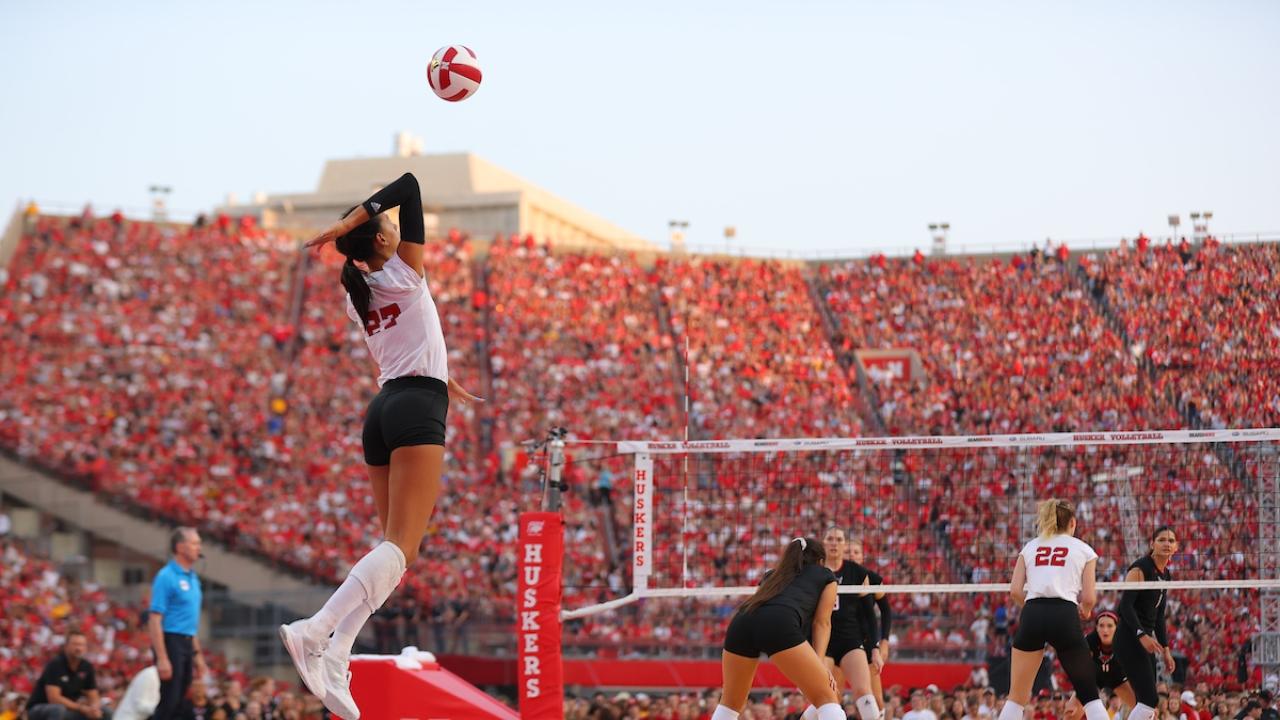
2023 — Nebraska volleyball attendance record (92,003 fans)
Nebraska officially breaks the world record for attendance at a women’s sporting event at 92,003. Volleyball Day in Nebraska featured four teams across two divisions: Division II programs Wayne State (Nebraska) and Nebraska-Kearney played an exhibition match, followed by a regular-season Division I match between Nebraska and Omaha. The event was held in Memorial Stadium, the home of Nebraska football for 100 years.
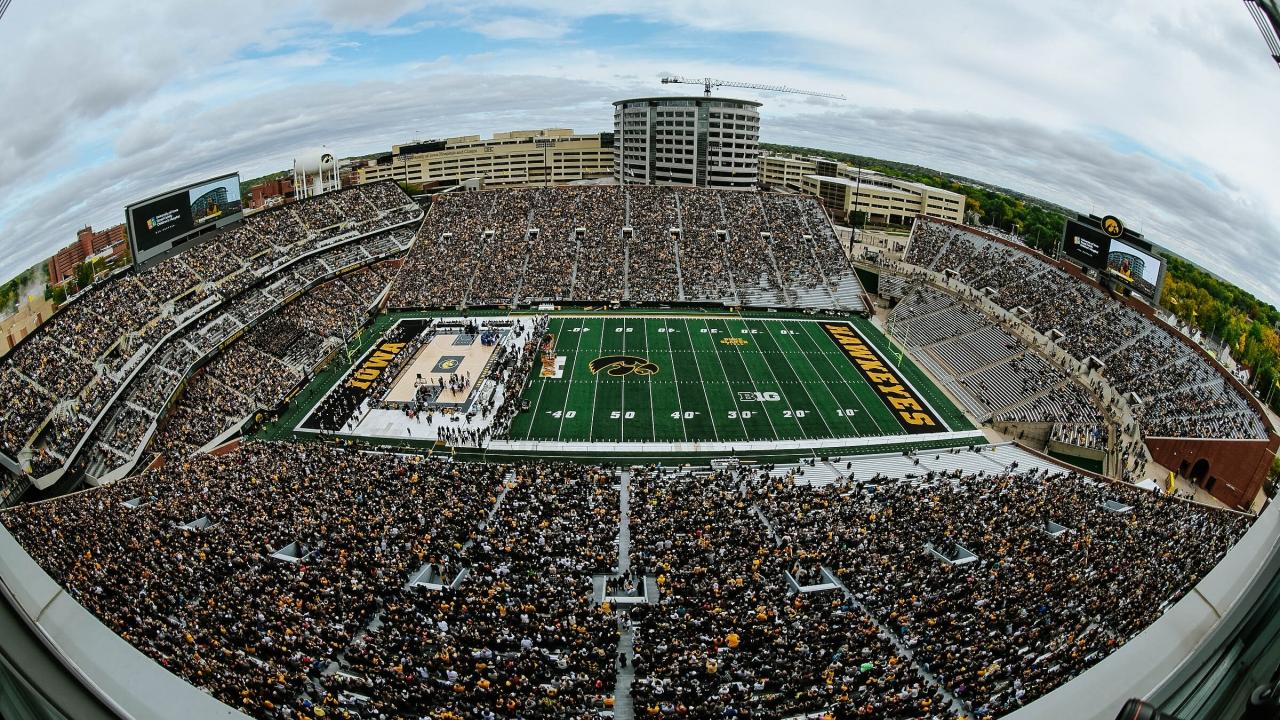
2023 — Iowa women’s basketball outdoor game
The Iowa women’s basketball team opens the 2023-24 season with a 94-72 victory in its exhibition game with DePaul at Kinnick Stadium in front of 55,646 fans, setting an NCAA single-game record for women’s basketball attendance. The Crossover at Kinnick was also the first women’s basketball game to be played outdoors in a football stadium. All net proceeds from the event benefited The University of Iowa Stead Family Children’s Hospital.