
Rugby is an NCAA Emerging Sport for Women with 30 varsity programs across all three divisions.
NCAA women’s rugby includes two primary competition formats: 15-a-side rugby, which is played primarily during the fall championship season, and seven-a-side rugby, which many programs play during the spring.
The National Intercollegiate Rugby Association and USA Rugby serve as the sport’s leaders.
Rugby at a glance
PROJECTED NCAA VARSITY PROGRAMS IN 2026-27
NCAA TRIATHLON STUDENT-ATHLETES IN 2025-26
PRIMARY FALL COMPETITION FORMAT
OPTIONAL SPRING FORMAT
Is rugby an NCAA emerging sport?
Yes. Rugby is an NCAA Emerging Sport for Women with varsity programs in Divisions I, II and III.
The Emerging Sports for Women program is designed to increase athletics participation opportunities for women, provide schools with additional sport-sponsorship options and help develop sports working toward NCAA championship status. Since the program started in 1994, eight sports have become championship sports — beach volleyball, rowing, ice hockey, water polo, bowling, women’s wrestling, acrobatics and tumbling, and stunt.
Once in the Emerging Sports for Women program, a sport must have a minimum of 40 schools sponsoring the sport at the varsity level and meet minimum contest and participation requirements to be considered for NCAA championship status. For rugby, its minimum requirements for Divisions I and II are nine contests while Division III is 8 contests.
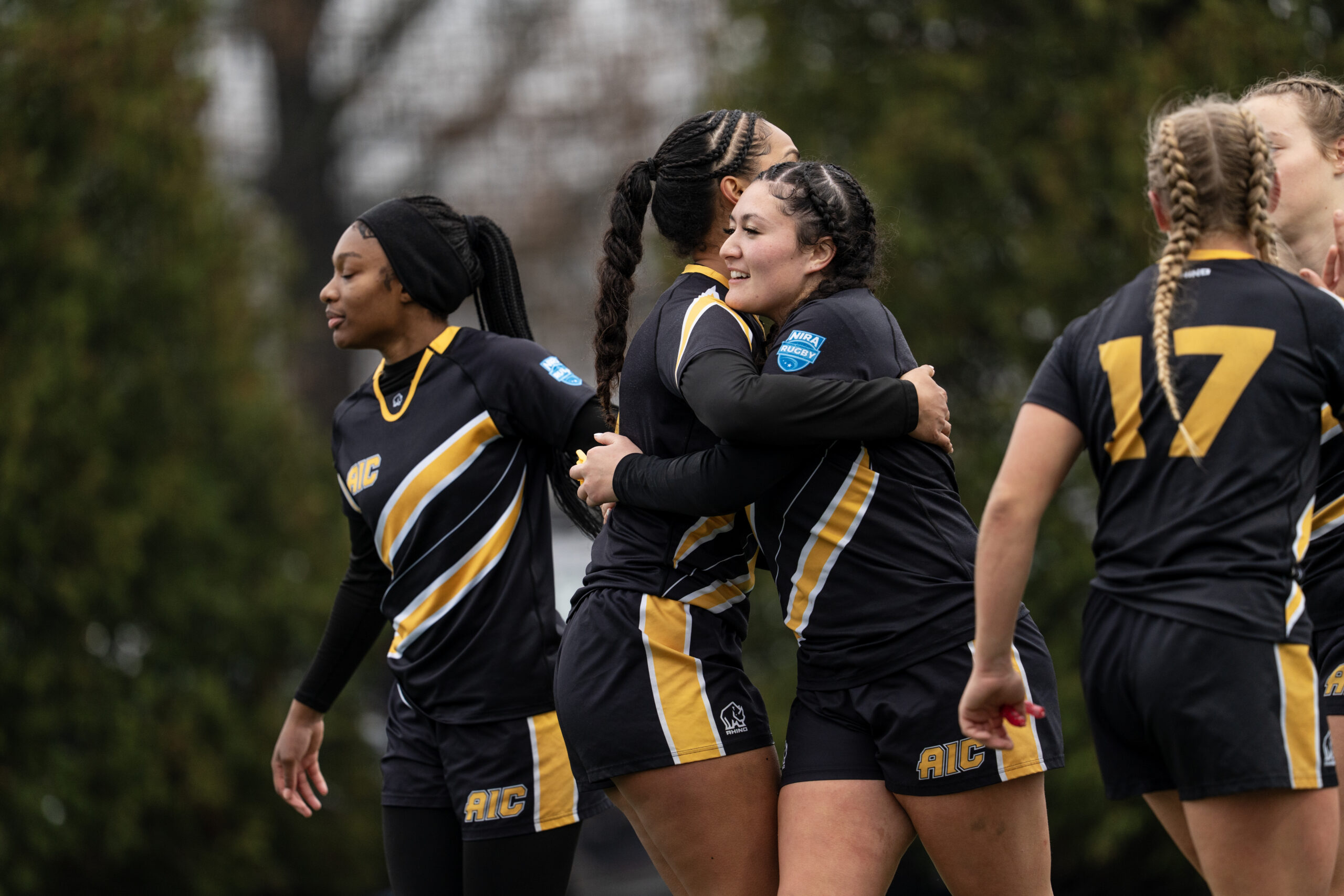
Rugby sponsorship
Rugby is projected to have 30 NCAA varsity programs in 2026-27.
DIVISION I
DIVISION II
DIVISION III
How the game works
Women’s collegiate rugby includes two primary formats.
Fifteens is the Rugby World Cup format and is played primarily during the fall championship segment.
Sevens is the Olympic format and can be played during the non-championship spring segment.
About rugby playing rules
The NCAA does not develop, administer, or oversee the playing rules for emerging sports. All playing rules governing competition in these sports are created, maintained, and published solely by each sport’s national governing body or designated sport leader. The NCAA assumes no responsibility for the content, enforcement, or interpretation of such rules.
Rugby leadership
The National Intercollegiate Rugby Association and USA Rugby serve as the sport’s leaders .
NIRA supports varsity collegiate women’s rugby competition, while USA Rugby supports the sport across broader levels of competition in the United States.
Rugby roster sizes and Division I limit
Average roster sizes reported by the sport leaders vary by division:
- 38 Division I
- 34 Division II
- 21 Division III
For Division I schools that are members of a defendant conference or opt in to the House settlement, the women’s rugby roster limit is 36 student-athletes.
The Division I average and roster limit are different measures. The roster limit applies only to institutions subject to the applicable Division I requirements.
Schools should consult current divisional legislation for applicable requirements.
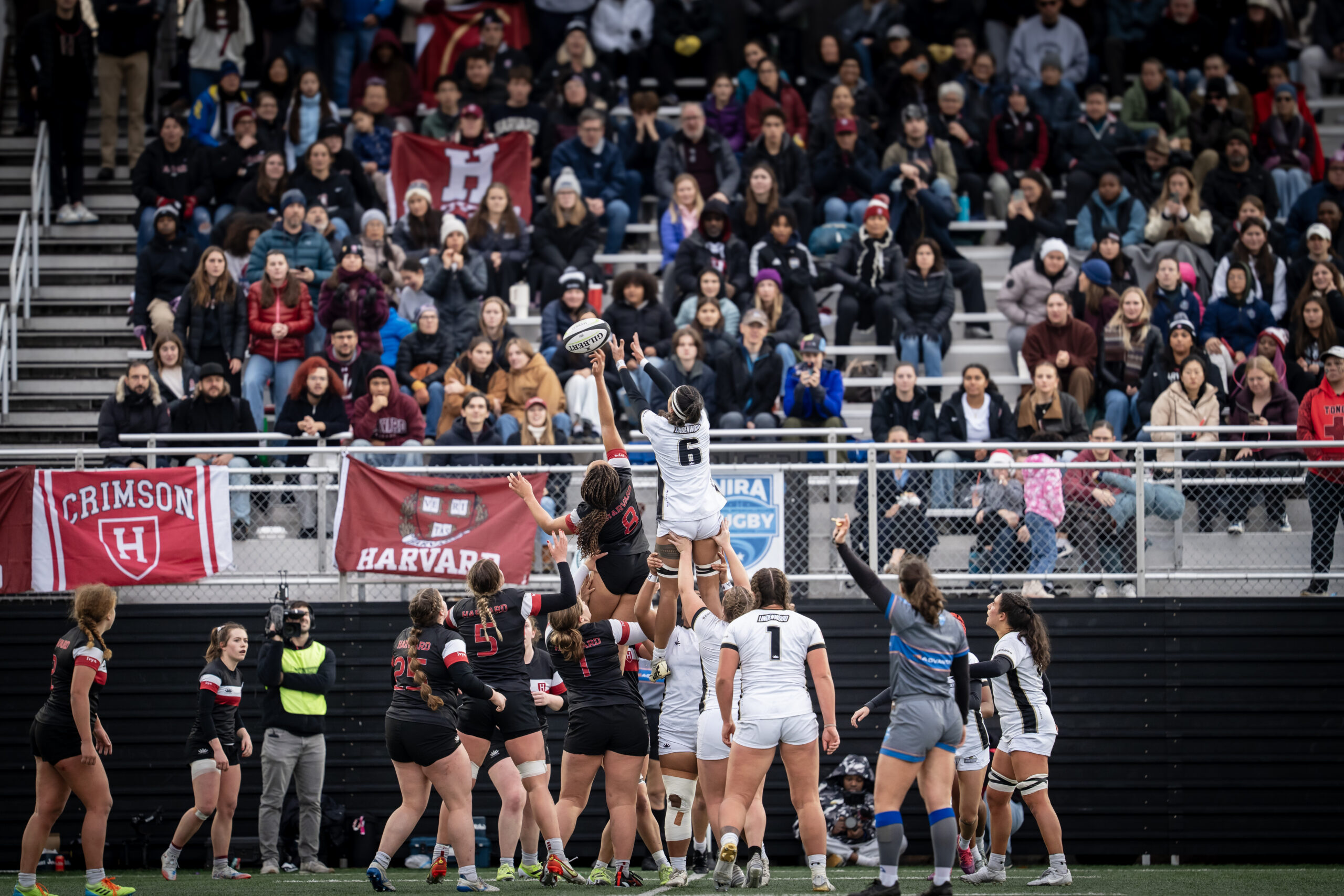
Current collegiate rugby championship
The current National Intercollegiate Rugby Association championship uses a postseason format in which the top four teams in 15s advance to the semifinals, with the highest seed hosting.
The championship structure includes two divisional titles: Division I and a combined Division II and III championship.
Division I and II programs participating in sevens can also compete in the Collegiate Seven’s Championship event in the spring The NCAA does not sponsor or host the NIRA Championship or spring sevens championship.
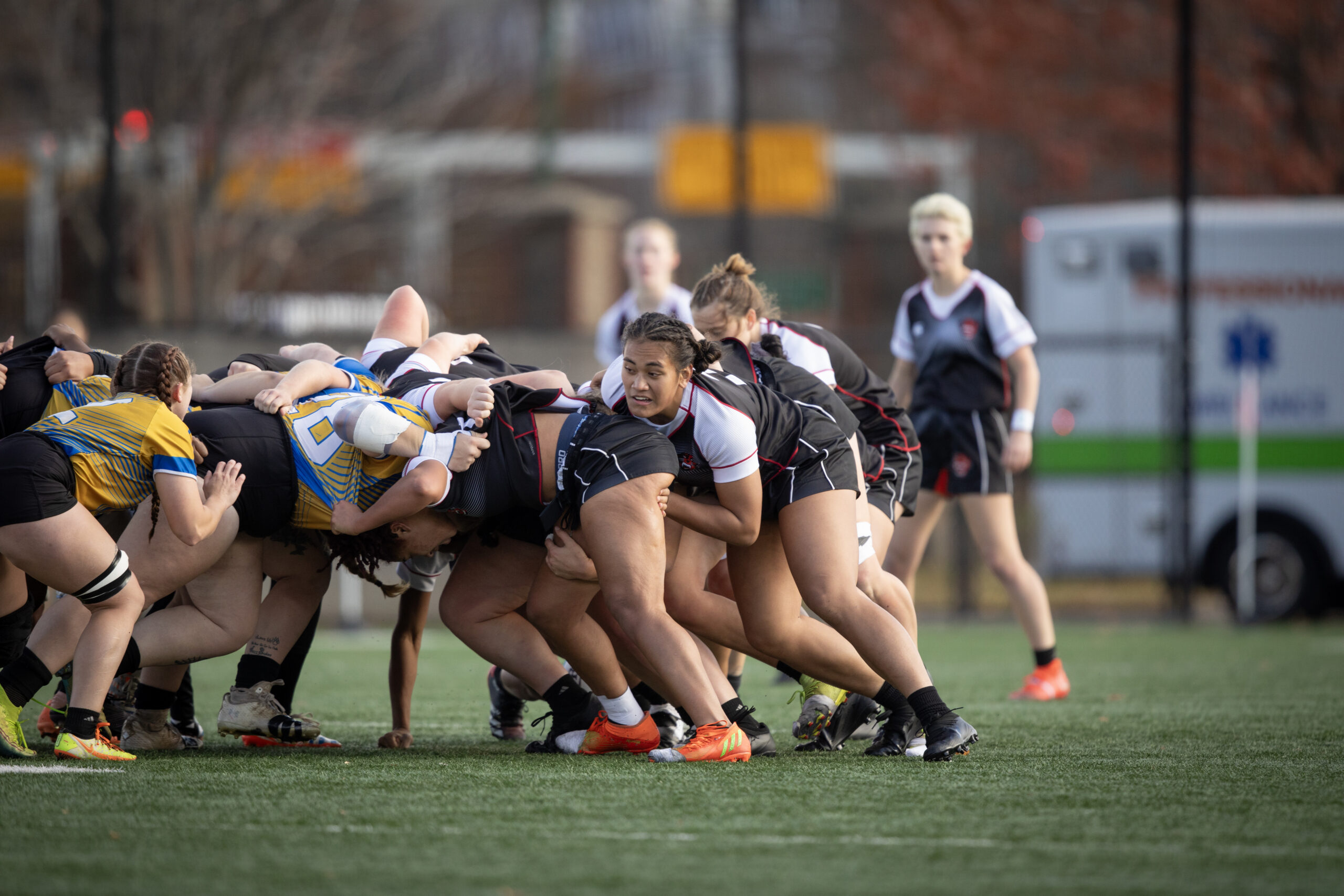
Is rugby an Olympic sport?
Yes, rugby is an Olympic sport for men and women. The sevens format debuted at the 2016 Summer Olympics for men and women, and it has remained the only version of the sport played at the Games since then.
Next steps for rugby in the NCAA
To be considered for an NCAA women’s championship, at least 40 NCAA schools must sponsor the sport at the varsity level and meet its legislated minimum contest requirements. In Divisions I and II, that is nine contests, while Division III’s minimum is eight contests.