NCAA Student-Athlete Health and Wellness Study
This study explores the real experiences of NCAA student-athletes, from mental health and stress to substance use and body image. Conducted across all divisions in 2022-23, the NCAA Student-Athlete Health and Wellness Study examines key areas of student-athlete well-being, including sleep, nutrition, injury history, and peer support. Use these insights to better understand the challenges student-athletes face and the support available across college sports.
How the survey was conducted
- Survey distributed to about 23,000 NCAA student-athletes across all divisions
- Faculty advisors representatives (FARs) distributed the survey on behalf of the NCAA
- Covered mental health, substance use, nutrition, and overall wellness
- Responses collected via TBD
Key Findings
Mental Health
- Mental health concerns have improved since 2020, but remain elevated overall
- Women, BIPOC and LGBTQ+ student-athletes report the highest levels of mental health challenges
- The biggest stressors impacting mental health are:
- Academics
- Planning for the future
- Finances
Substance Use
- Alcohol use among student-athletes is at its lowest level in decades
- 72% reported drinking alcohol, a noticeable drop from 2009
- Binge drinking has significantly decreased, down from 55% to 35% since 2009
- Overall alcohol use is now similar to the general college student population
Weight, Body Image, and Nutrition
- Clear differences exist between men’s and women’s sports:
- Men’s sport athletes are more likely to feel underweight
- Women’s sport athletes are more likely to feel overweight
- May student-athletes are actively trying to change their weight;
- Over 40% of men’s sport athletes are trying to gain weight
- 45% of women’s sport athletes are trying to lose weight
- Men’s sport athletes report higher levels of positive body image across all measures
- By sport:
- Swimming and diving shows the highest rates of athletes feeling overweight
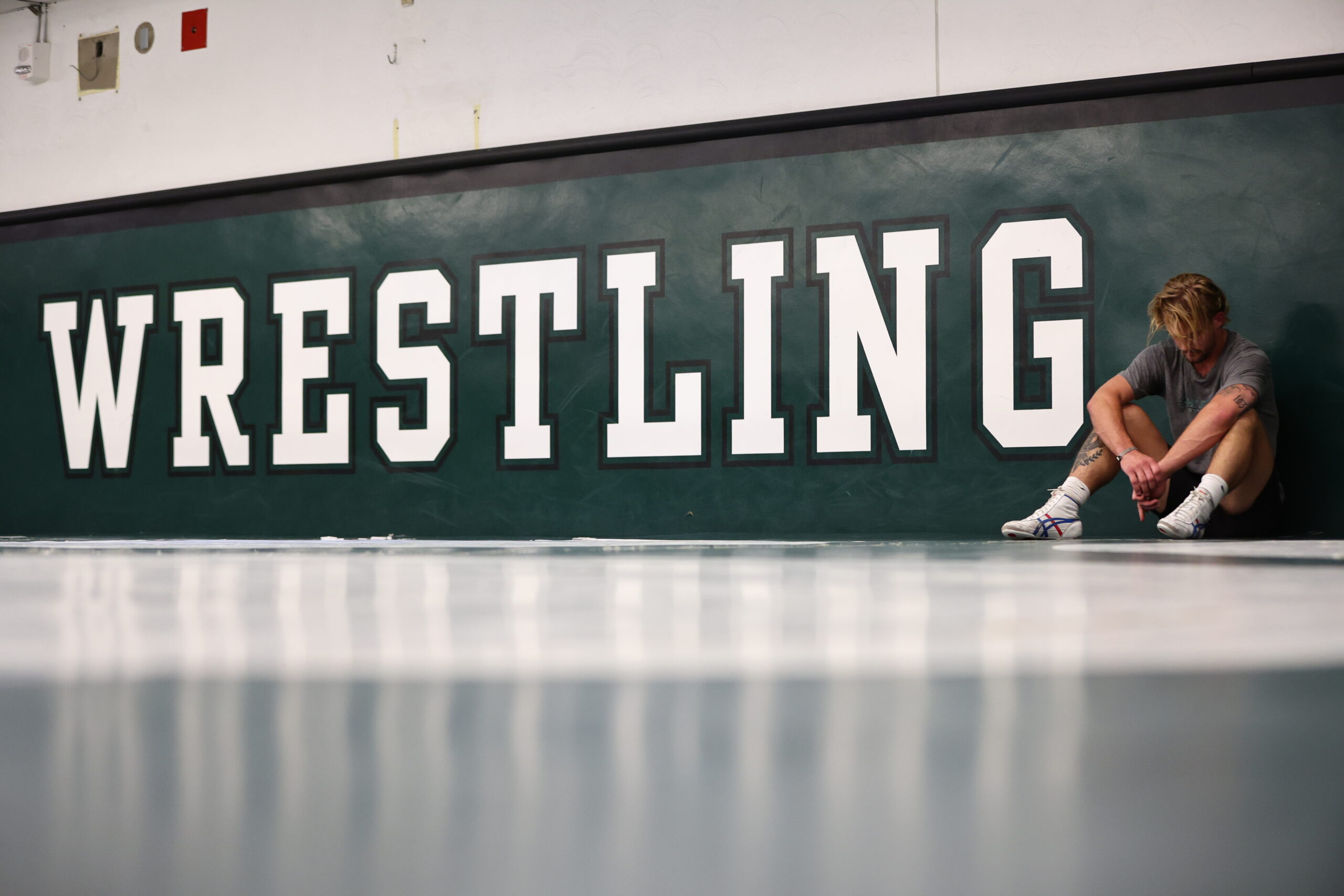
- Wrestling is the only men’s sport where more athletes are trying to lose weight than gain
- Black student-athletes report more positive body image compared to other racial groups