
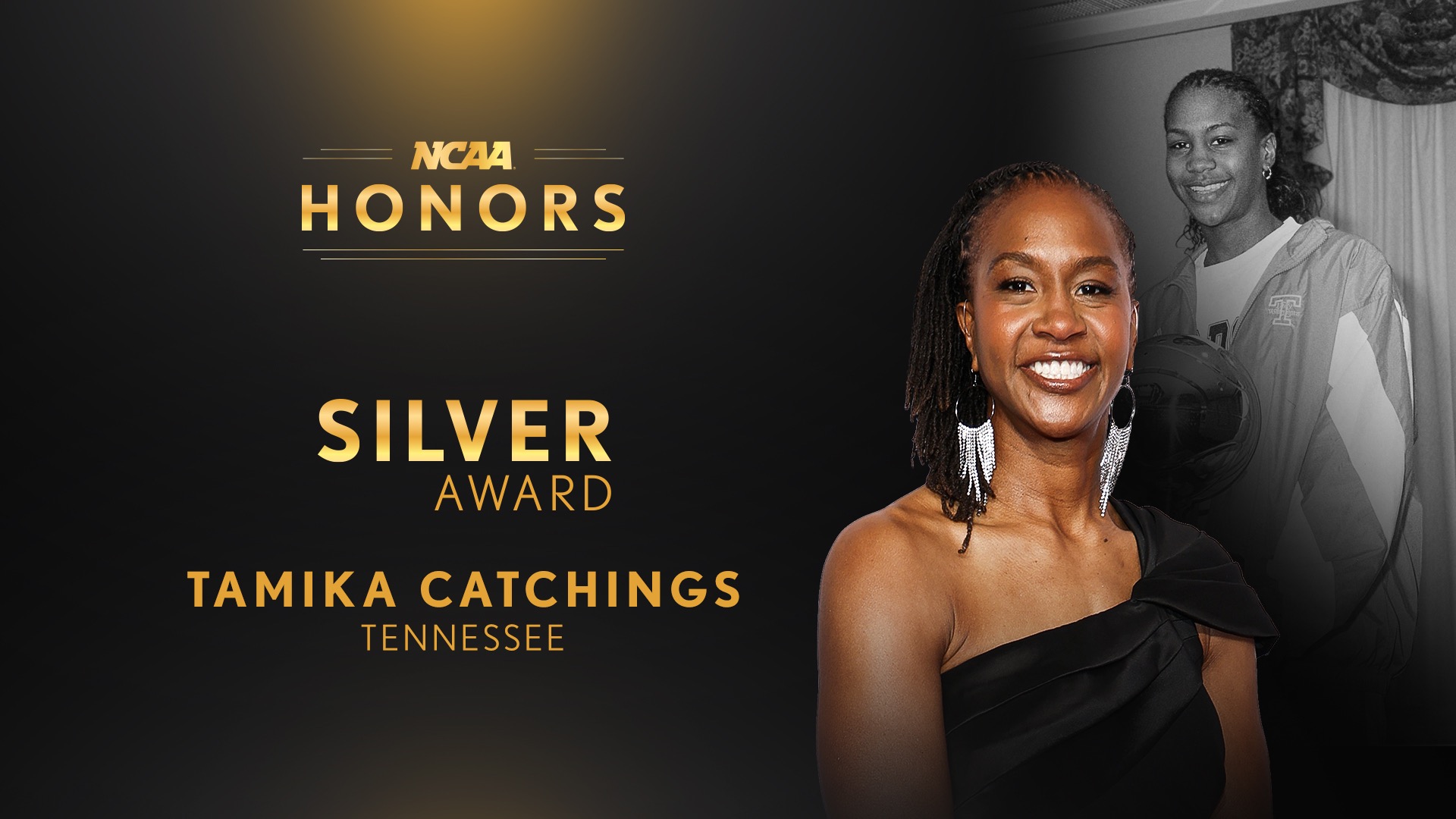
Olympic gold medalist and former Indiana Fever star wins NCAA’s 2026 Silver Anniversary Award
An eighth grade Tamika Catchings sat in front of her television, mindlessly flipping through channels, when the screen stopped on a pair of eyes.
As the picture zoomed out, Tennessee women’s basketball coach Pat Summitt came into focus. Young Catchings became mesmerized. She watched Summitt march back and forth on the sideline, screaming and yelling.
"I was fixated on the game, but even more, I was like, ‘Who is she?’"
The television introduced Catchings to Tennessee and Summitt.
It also marked the first time Catchings had ever seen a women’s basketball game on TV.
"At that point, I was like, ‘Gosh, if I could ever get good enough, that’s where I want to play.’ It was my dream," she said.
What the eighth grade Catchings didn’t quite yet dream was her future as a women’s basketball trailblazer. The Hall of Famer is a four-time Olympic gold medalist, five-time WNBA Defensive Player of the Year, and an NCAA and WNBA champion. Catchings is also a servant leader, hosting youth basketball camps and clinics in her community, leading a foundation she created that has given $1 million in scholarships, and working as a sports commentator and an entrepreneur.
The NCAA has awarded Catchings with the Silver Anniversary Award. She will be honored at the 2026 NCAA Convention alongside other Honors recipients. The Silver Anniversary Award, which is presented to former student-athletes 25 years after their college careers end, honors the achievements and contributions of those who have excelled in their professional lives and continue to exemplify the values of collegiate athletics.
Catchings fell in love with basketball in seventh grade, a devotion marked by a goal. She remembers writing it on a piece of paper, showing it first to her siblings – "That’s so cool," they said – then running downstairs and shoving it into her parents’ hands.
After reading the note, they looked at each other and said, "Honey, if anyone can do it, you can."
Her goal: To become a professional basketball player and compete in the NBA.
"From that moment, I was going to the NBA. Nobody could say anything else about it," she said.
Tauja, Catchings’ older sister, said her big dreams weren’t a surprise to the family.
"Whatever she put her mind to, she does," Tauja said. "She’s always been very intense, very intentional and the hardest worker, whether it was in the classroom or on the court."
Tauja, who played at Illinois, said their backyard basketball games often resulted in bloody noses and fights so bad their parents had to schedule separate times for them to play.
"Then we missed each other," Tauja said. "(Basketball) brought us all closer, tied our family together."
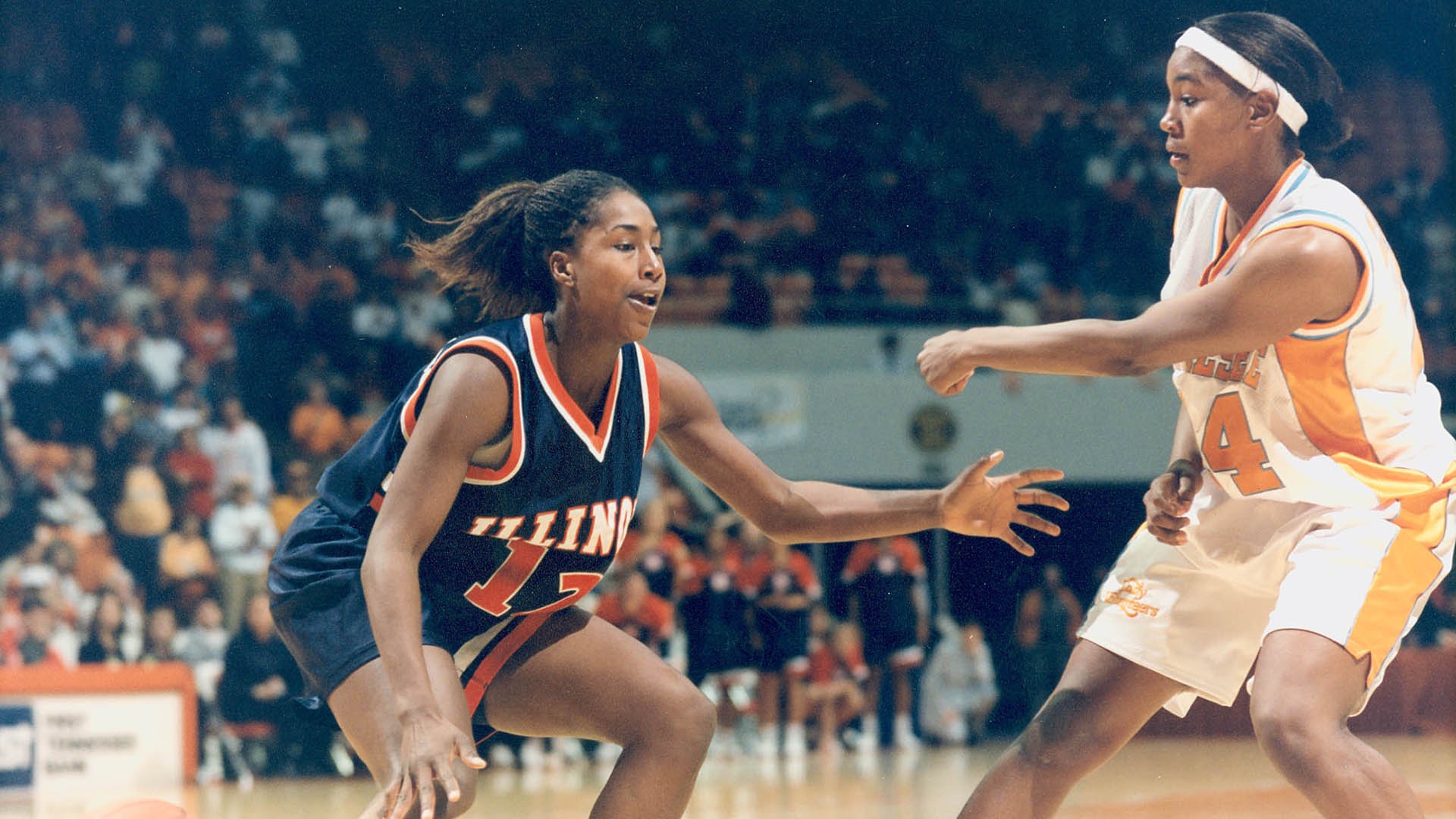
In fifth grade, their father, Harvey, a former NBA player, would take the girls to the gym to play against grown men. Tauja said they had to rip Tamika off the court at the end of the night.
"She just loved, loved being there," Tauja said of her sister. "I think for her, growing up being different, basketball was her safe space and a place where she felt like ‘Yeah, you might talk about me in other places, but I’m kicking your butt on the court.’"
By her freshman year of high school, Tennessee mailed Catchings a recruitment letter, and by her junior year, Summitt came on a home visit. The coach joined the Catchings family at church, where Tamika fell asleep.
"It was this whole thing," Catchings said, laughing. "But just having her there, she was so down to earth, so humble."
Catchings remembers that Summitt made no promises to the two-time Miss Basketball high school star.
"She said, ‘Look, you come to Tennessee, you play with the best. You play for the best. You play against the best.’ Take it or leave it," Catchings recalled.
Catchings remembered thinking, "Where else would I go if I want to be the best player and I want to make it to the NBA?"
"The rest was history," she said.
That history has Catchings’ name etched all over Tennessee’s record books.
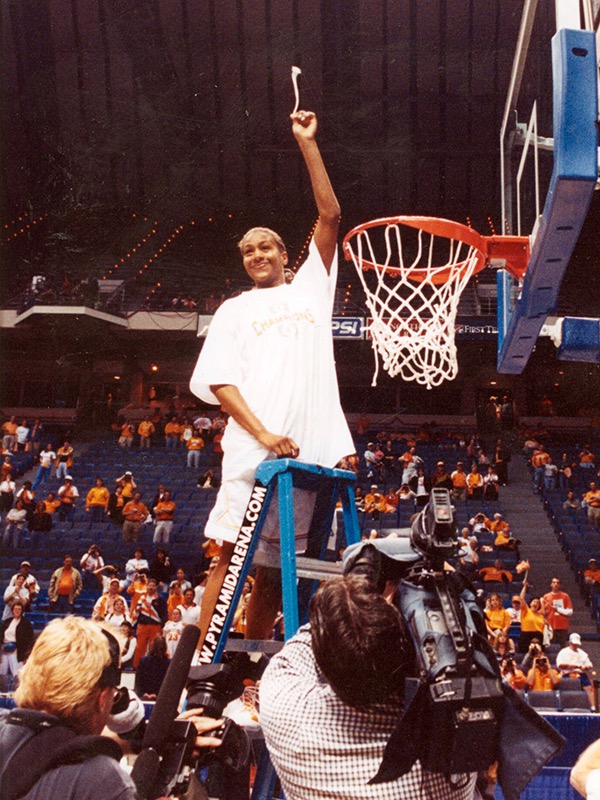
She earned national Freshman of the Year honors, All-America honors all four years and five Player of the Year awards from different publications. In her time at Tennessee, she won a national championship as a freshman and four Southeastern Conference regular-season championships. She made three trips to the Elite Eight and two trips to the Final Four. She also maintained a 4.0 grade-point average in sports management.
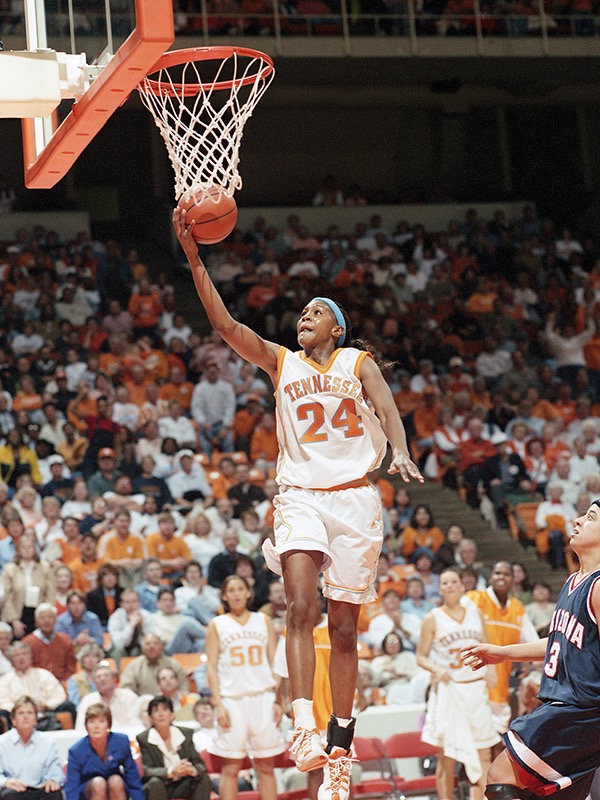
But before all of the accolades, Catchings showed up on campus in awe. Her first week on campus, the upperclassmen came to her dorm, warning the freshman players that training camp would kill them if they weren’t prepared.
The Fab Four freshmen – Catchings, Semeka Randall, Kristen "Ace" Clement and Teresa Geter – hit the bleachers of the football stadium, sprinting up and down, persuading themselves and one another not to throw up. During training camp and practice, the highly touted freshman class became a unit, finding a place among the reigning national championship team.
"For them to accept us the way that they did, and to love on us and to believe in us, when you think about the idolization of like, ‘Oh my gosh, oh my gosh, Kellie Jolly and Pat Summitt,’ you kind of lose that because now we are all here for one common goal: They want a championship," Catchings said.
Now known as Semeka Randall Lay, Catchings’ teammate and friend said academics wasn’t her strong suit at the time, but Catchings planned to graduate in three years and encouraged her teammates to focus on their schoolwork so they could do the same.
"She set the standard for the freshman class," said Randall Lay, currently head coach of the Winthrop women’s basketball team.
"Her time in the gym, she was relentless," she added. "She never cut corners, and she put her mind and her heart into everything she did. She made herself into this prolific WNBA player because all of that was already in the making by how she carried herself behind closed doors."
Catchings’ preparations paid off. She dominated, being named Freshman of the Year by the U.S. Basketball Writers Association and helping lead the Lady Vols to an undefeated record and a national championship.
"I don’t even know how to explain the feeling," Catchings said. "It was absolutely amazing."
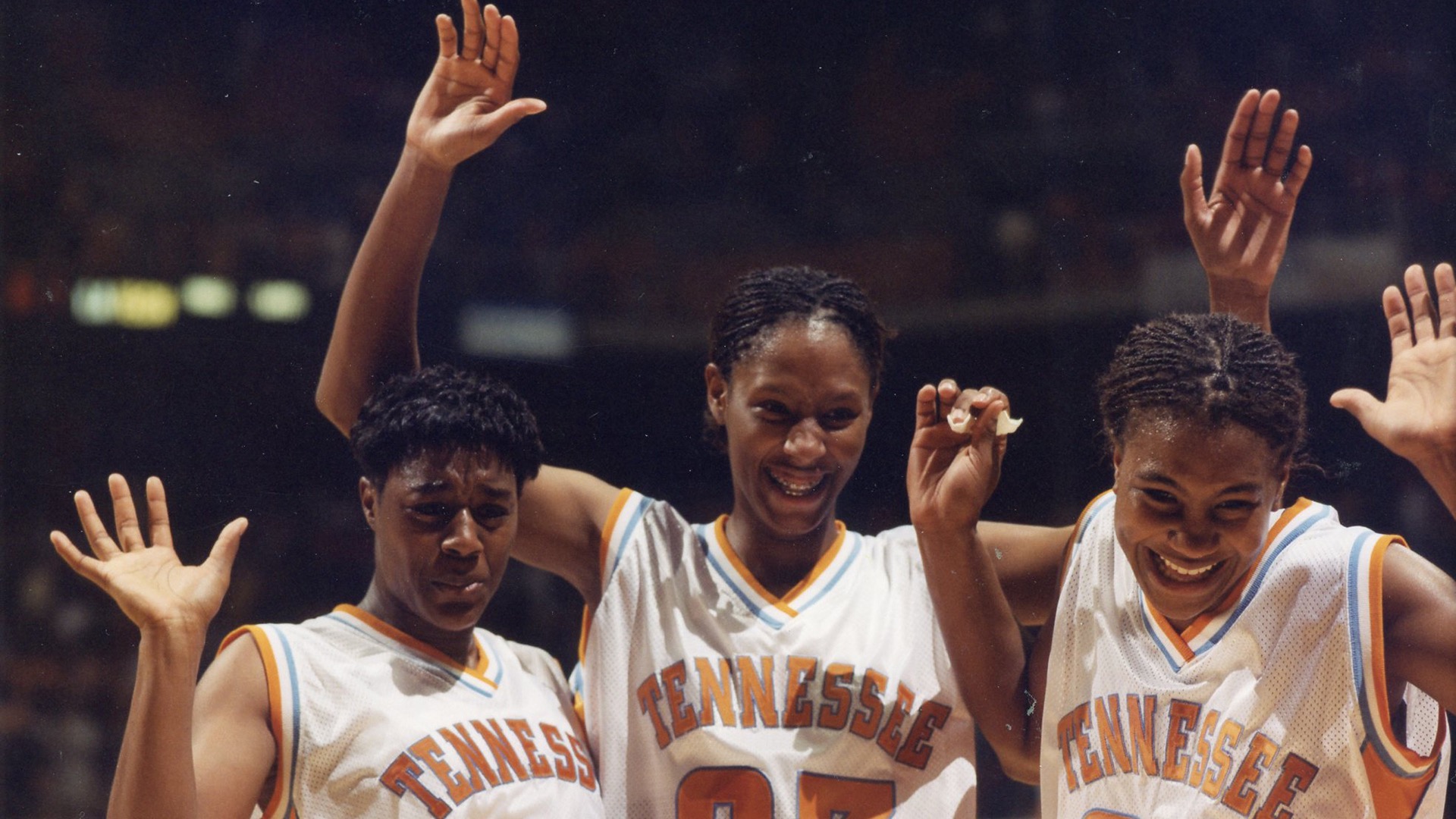
But even after the high of an undefeated year and an NCAA championship, Catchings and her team had to prepare all over again for their sophomore year. She worked even harder in the off season than in season.
"She’s got her clipboard, her notes for meeting with the coaches like, ‘What can I improve on? What can I do in the off season?’ There were no days off," Tauja said.
"Honestly, I would not be the person that I am today without going through the experiences that I went through at the University of Tennessee," Catchings said.
Summitt set standards of excellence off the court. Her players had to sit in the first three rows in class – no falling asleep or being late.
Yet the coach also employed an open-door policy. Players would go into her office and talk about life, their dreams and goals. Catchings said it was like having another mother.
Of course, when they stepped on the court, Summitt would push them to their limits to become great.
"But her being able to provide that open-door policy, her being able to provide the knowledge, the wisdom, the advice meant everything," Catchings said.
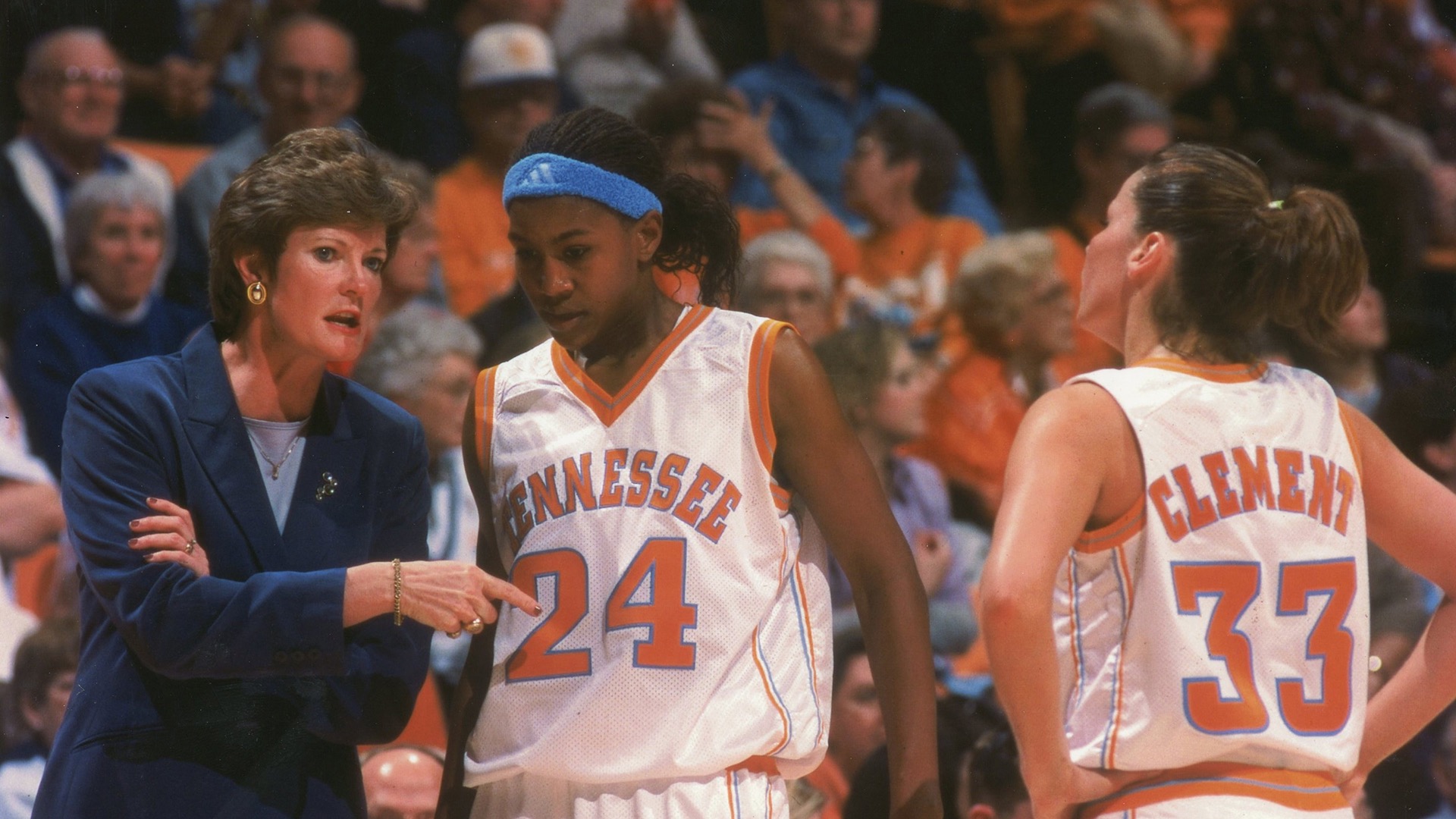
In particular, Catchings remembers when Summitt found out about a long-kept secret.
Summitt called Catchings to the training room, where she said, "We had a conversation with your mom, and she told us you were born with a hearing disability and you have not worn your hearing aids since second grade."
Classmates had bullied Catchings so badly for wearing a hearing aid, having a speech impediment, being tall, being different that she threw her hearing aid out. She learned to read lips. She would read chapters of her textbook before class. Her notes were often littered with "fill in the blanks" for the words she couldn’t hear.
She carried the embarrassment to her freshman year of college.
But that day, Summitt told her, "Catch, one day your story will impact thousands, maybe millions of people. I think you should get back to wearing them."
Who could say no to Summitt? So Catchings was fitted for hearing aids and began working with a speech therapist. The coaches encouraged the players to volunteer for causes they believed in; Catchings focused on giving back to the next generation of hard-of-hearing athletes.
"I didn’t have people that I looked up to. I didn’t know athletes that were born deaf or that were hard of hearing that I could have as a role model," she said.
Tauja remembers the shift in her sister after that conversation with Summitt.
"Mika was extremely introverted and lacked confidence," Tauja said. "She didn’t enjoy speaking, and I always spoke for her growing up. Everything shifted at Tennessee, where coach Summitt encouraged her to lean into her story more. She really started to embrace it and find her voice not only on the court as a leader but in the community."
Catchings became that role model Summitt envisioned her to be. She has established two scholarships at Tennessee: a fund for people who need hearing aids but can’t afford them and a scholarship for students who want to study audiology or speech pathology.
"From that conversation, we now literally are impacting through my story and showing millions of people around the world," Catchings said.
After graduating from Tennessee with a perfect grade-point average and a master’s degree, Catchings was selected by the Indiana Fever in 2001 as the third overall pick. At this point, the WNBA had been created, so her dream to play in the NBA had changed.
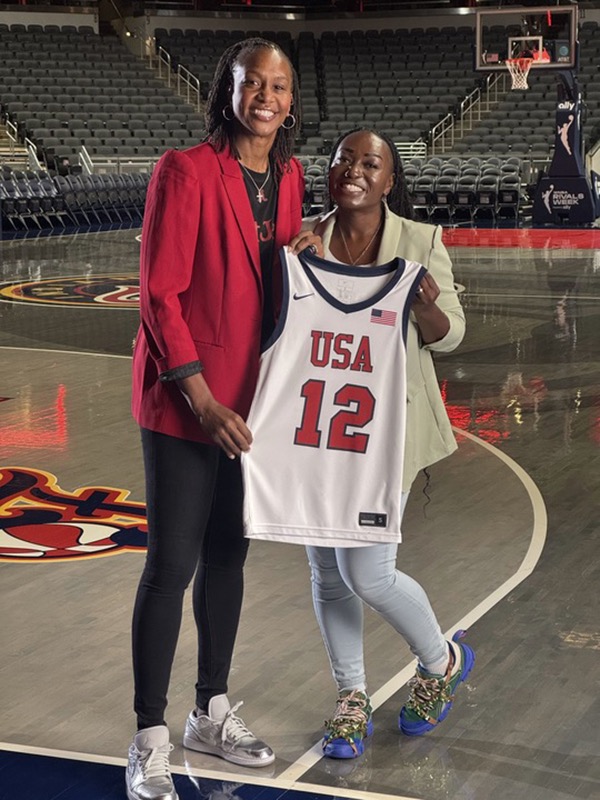
Carlos Knox, an assistant coach for the Fever during Catchings’ time on the team, said Catchings’ tenacity amazed him. He has many stories of her discipline, but one particular day they planned a 6 a.m. workout. When Knox arrived at the gym, Catchings was already in a full sweat, cones and chairs spread across the court.
Knox had challenged her the day before with drills that typically take weeks to figure out. Catchings had already mastered the moves.
After the workout, they laughed about it.
"You are unbelievable," Knox said.
Catchings responded, "Yeah, I studied it. I watched it." Then she said, "But, Coach, I’m sorry to tell you this, but I gotta go. I have an hour and a half swimming workout in 30 minutes."
"She was just an another-level athlete," Knox said. "She had a regimen that was crazy."
After graduation, Catchings continued being a Volunteer. Her first year in Indiana, Catchings fulfilled a lifelong dream of creating a youth basketball camp and clinic, aptly titled Catch the Stars.
At the weeklong camp, hundreds of 7- to 15-year-old kids learned basketball from 8 a.m. to 5 p.m. Catchings demonstrated the moves for drills, giving out high-fives and smiles. Knox remembers watching Catchings’ vibrance and inviting nature.
"She’s walking around, and she’s communicating with everybody. She’s never meeting a stranger – ever – which is just a beautiful thing to see," Knox said.
"Her hugs are unbelievable," he added. "You know, when she hugs you, you can feel the love."
Randall Lay said in a generation that is frequently about "me," Catchings centers her work on uplifting others, not herself.
"She has invited herself in and found her lane for how to give back to the women’s basketball community and giving back to those in need," she said. "Her faith speaks to how grounded she is. Meek is an absolutely great human being and a lovable person."
Her camps laid the groundwork for her foundation, which she co-founded with Tauja. The Catch the Stars Foundation empowers youth throughout Indianapolis, with a specific emphasis on supporting underserved communities.
Current programs include a college scholarship program for Indianapolis high school scholar-athletes, holiday basketball camps, Catch on to Fitness clinics, Catchings Corner (donated Fever game tickets) and a mentorship program, Sisters Teaching and Reaching Sisters.
"We have to make a conscious and intentional choice to impact other people’s lives," Catchings said. "At the end of the day, nine years removed from being a professional athlete, this generation has no idea who I am. This generation knows who I am as an entrepreneur, as a commentator, as somebody that owns a foundation, as somebody that gives back in the community. That is what I’m most proud of."
Each time, Catchings reflects on the shy, lanky girl with a hearing and speech impediment who dreamed of becoming a professional basketball player.
"Without sports, I would not be confident. I would not have the voice that I have. I would not have the platform that I have," she said. "When I look back at just my life and the trajectory that I was on, if I had not had sports, not just basketball, I would be a totally different person."
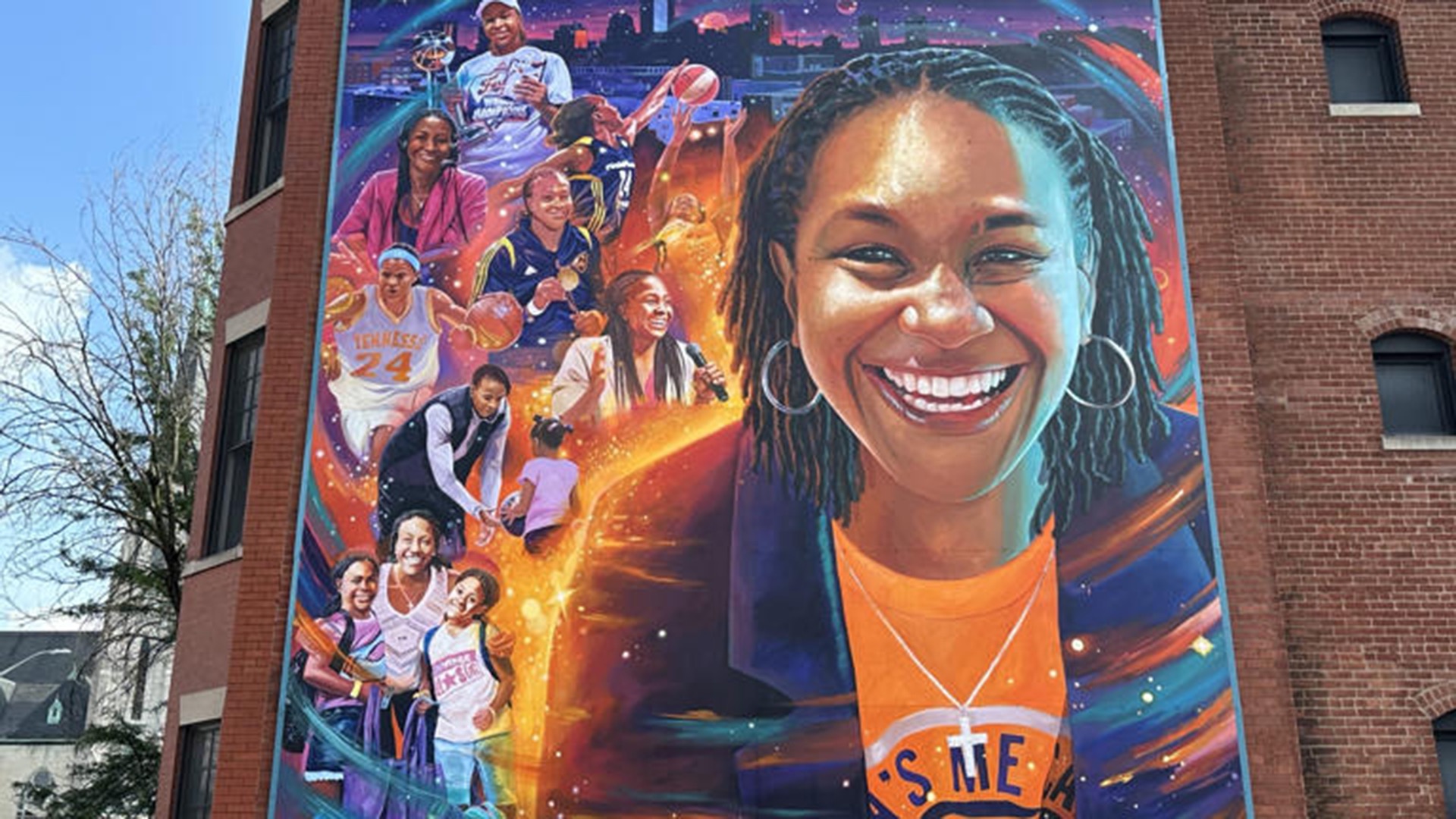
Now, in the moments when Catchings isn’t changing the world, she relishes turning on the television and finding multiple women’s sports games. She’s calling the games on the sidelines, giving back through her perspective. She loves the opportunity female athletes have to become role models to little girls.
"I am a trailblazer of this game," she said. "I was that girl flipping through the channels, trying to find somebody that looked like me, that I could not find until eighth grade. Look at where we have come."