To mark National Student-Athlete Day, the NCAA highlights accomplishments in academics, well-being and community service
Thursday is National Student-Athlete Day, and the NCAA is celebrating an all-time-high 520,470 student-athletes who excel in the classroom and compete in 24 sports across three divisions.
Over 90% of student-athletes say college sports have helped them grow in personal responsibility, work ethic, teamwork and goal-setting, according to a 2019 NCAA GOALS study.
A Gallup study from 2020 revealed that former NCAA student-athletes are more likely than other college graduates to be thriving in areas such as community, social, physical and purpose.
Student-athletes are continuing to graduate at record rates, with a four-year Graduation Success Rate of 89% in Division I and Academic Success Rates of 76% in Division II and 88% in Division III.
The Association applauds three core components that make up the student-athlete experience — academics, well-being and community service.
Academics
There is a reason that student is listed first in the word “student-athlete.” In addition to the time that is spent at practice and games, a student-athlete also spends at least as much time in classes, tutoring and study hall.
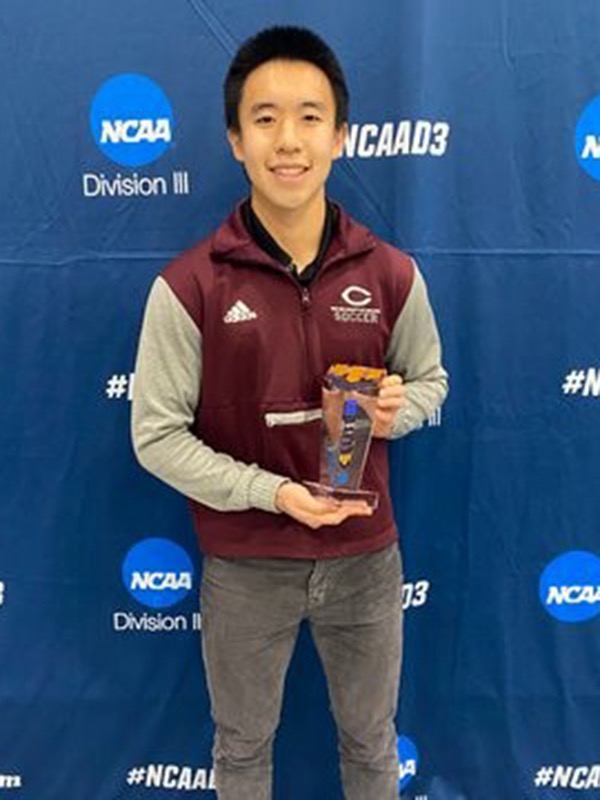
“I think the habits I built in high school of time management definitely translated to university such that I could devote a lot of time to soccer and my academics, especially since I find happiness and purpose in both,” says Lyndon Hu, a biology major and soccer student-athlete at the University of Chicago. “Like many of my teammates, I’ll be doing work on the bus to games, in the hotel on away trips and sometimes even in the locker room before the game, and I think we’ve kind of learned how to switch that academic side of ourselves to the competitive, athletic side relatively quickly.”
Hu, a sophomore, is on a pre-med track and hopes to pursue orthopedic surgery or oncology. He cites his student-athlete experience for providing a great perspective for his future career in medicine. “I know how frustrating it can be to work through an injury, so being able to help rehabilitate an athlete would be very meaningful, as I also know how injury can also serve as a way to give an athlete a new perspective and appreciation of their sport and their body.”
At the Division III Men’s Soccer Championship in December, Hu received one of the NCAA’s most prestigious awards: the Elite 90. Given at each of the NCAA’s 90 championships, the honor goes to the student-athlete with the highest cumulative grade-point average participating at the finals site.
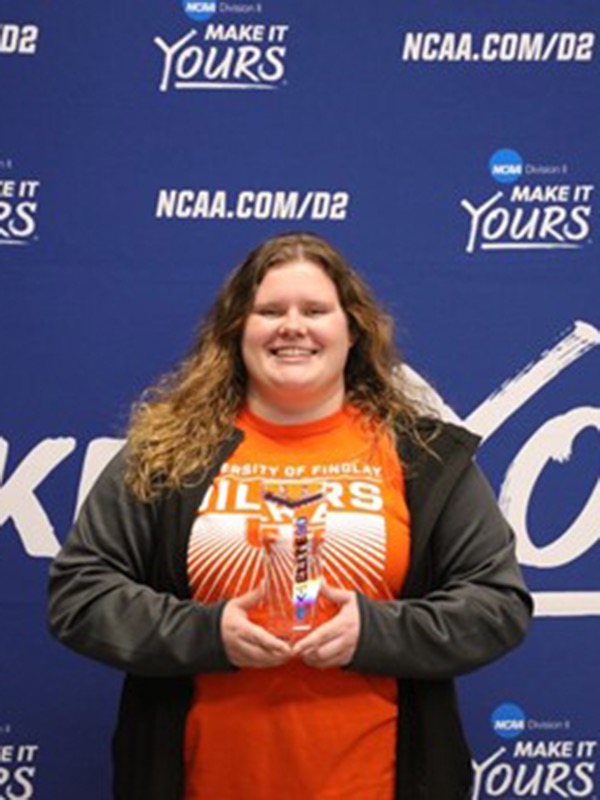
Paige Emnett, the Elite 90 winner for Division II women’s indoor track and field, describes receiving the award as something she will never forget.
“This award encompasses all of the celebrations, tears and tedious hours I have endured in the classroom as well as on the field. Receiving this award and reflecting on every decision that led me to this place has been an honor,” said the Findlay student-athlete who was honored last month. Emnett has received a degree in intervention specialist education and is pursuing a master’s degree in education with an educational administration emphasis.
Well-being
Well-being and mental health support have never been bigger priorities for student-athletes across the NCAA.
Results of the NCAA Student-Athlete Well-Being Study illustrate these concerns. In collaboration with the NCAA Sport Science Institute and the NCAA’s Division I, II and III Student-Athlete Advisory Committees, the Student-Athlete Well-Being Study included three surveys and generated more than 70,000 student-athlete responses. The most recent in fall 2021 showed that rates of mental exhaustion, anxiety and feelings of depression have seen little change since fall 2020 and remain 1.5 to two times higher than identified before the COVID-19 pandemic. Importantly, fewer than half of student-athletes said they would feel comfortable seeking support from a mental health provider on campus.
There was a clear need and desire for change. In recent years, tremendous strides were made to improve both the legislation and conversation around student-athletes’ well-being.
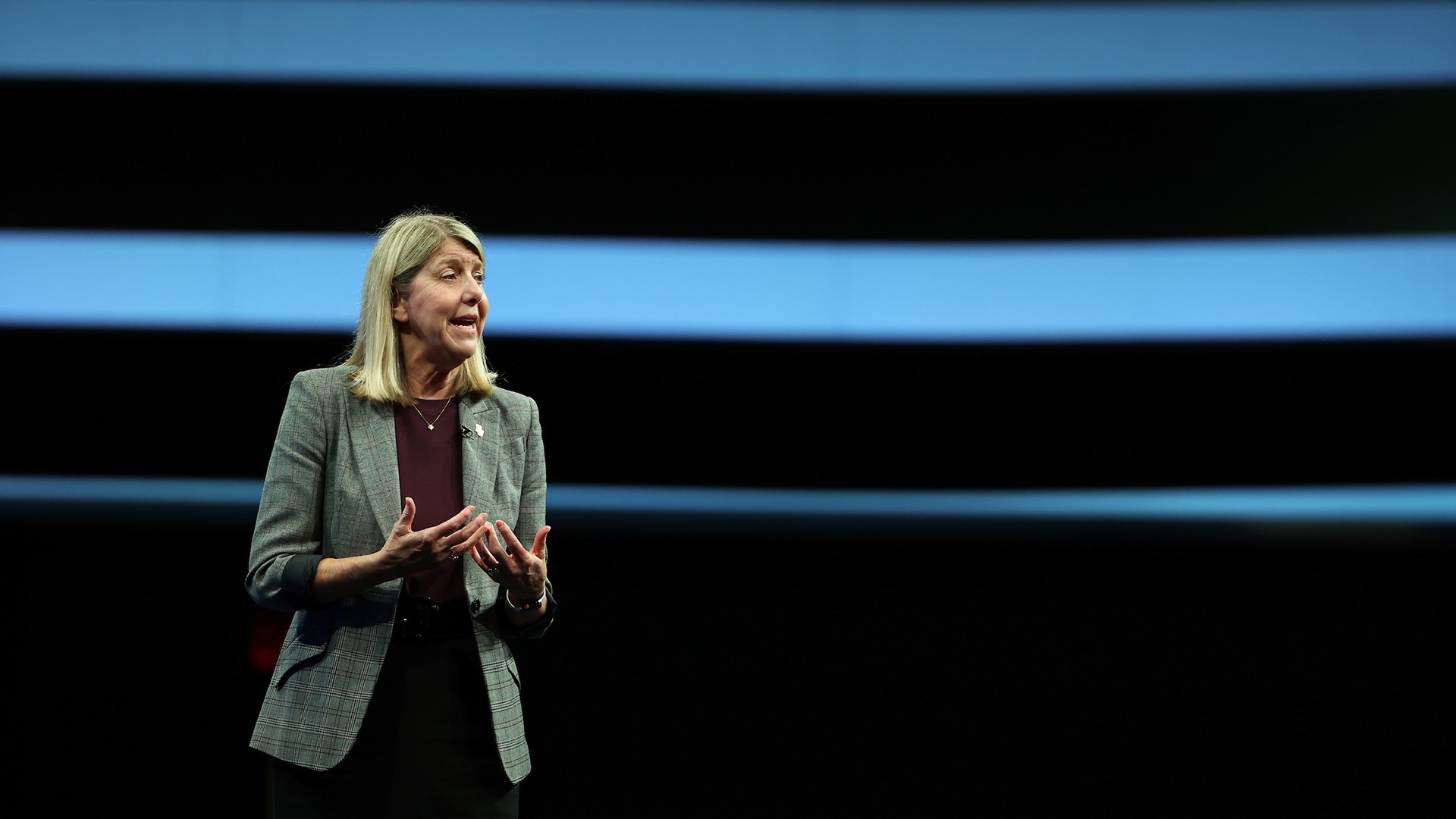
As a recent statement from the NCAA Division I, II and III Student-Athlete Advisory Committees and NCAA Board of Governors Student-Athlete Engagement Committee pointed out, “For the first time in NCAA history, the term ‘mental health’ is included in the NCAA constitution, which all member schools, conferences and divisions have agreed to uphold. This historic inclusion — initiated by SAAC members from each division — displays a strong commitment by the NCAA to its student-athletes’ health, safety and well-being. Institutions are now required to ‘facilitate an environment that reinforces physical and mental health within athletics by ensuring access to appropriate resources and open engagement with respect to physical and mental health’ (NCAA Constitution, Article 1-D). Members of the governance structure are also actively reviewing policies and procedures with an enhanced focus on mental health.”
In addition to changes in legislation, the NCAA Committee on Competitive Safeguards and Medical Aspects of Sports has commissioned a Mental Health Advisory Group to review and update the NCAA’s existing best practices and materials. The group includes NCAA representatives and student-athletes from all three divisions, as well as representatives from organizations pertinent to the sports and well-being landscape.
“As a student-athlete, I feel empowered to have been at the Mental Health Advisory meeting and see a student-athlete at every table involved in the discussion,” said Ally Meehan, a triathlon student-athlete at Wagner. “To be able to provide my perspective, as a student-athlete and as a member of Division I SAAC, shows that the Mental Health Advisory Group is dedicated to making decisions that are in the best interest of student-athletes.”
With the continual work of all those in the college athletics community, the mental health and well-being of student-athletes will continue to be at the forefront of conversations, including at the NCAA.
Platforms like the NCAA Social Series have prioritized discussions of topics in college sports, including mental health. In a 2022 episode, the NCAA Social Series hosted a conversation about mental health and well-being with Brian Hainline, NCAA chief medical officer; Robin Scholefield, director of culture, well-being and sport psychology at Southern California; and Prim Siripipat, host of “The Next Chapter” podcast and former tennis player at Duke.
Scholefield said that no matter how they perform in competition and practice, student-athletes and coaches are people first.
“We are human beings first,” she said. “We are going to suffer, and we will hopefully be stronger from that with the adequate support. … It’s not taking away the challenge, but it’s meeting the support with the challenge.”
Community service
Athletics departments across the country are supported by their communities, and student-athletes are cheered on by fans locally and nationwide. With this support, the NCAA thinks it is important to provide student-athletes with opportunities to give back to the places that provide them with a home.
Through a partnership with Habitat for Humanity, the NCAA committed $2.5 million in 2018 for long-term disaster relief. During the past several years, the NCAA has sponsored five builds, partnering with schools in the surrounding areas.
In December 2022, student-athletes, coaches and administrators from Tulane joined forces with city officials and NCAA and Habitat for Humanity staff members to work on a new home in the Lower 9th Ward of New Orleans.
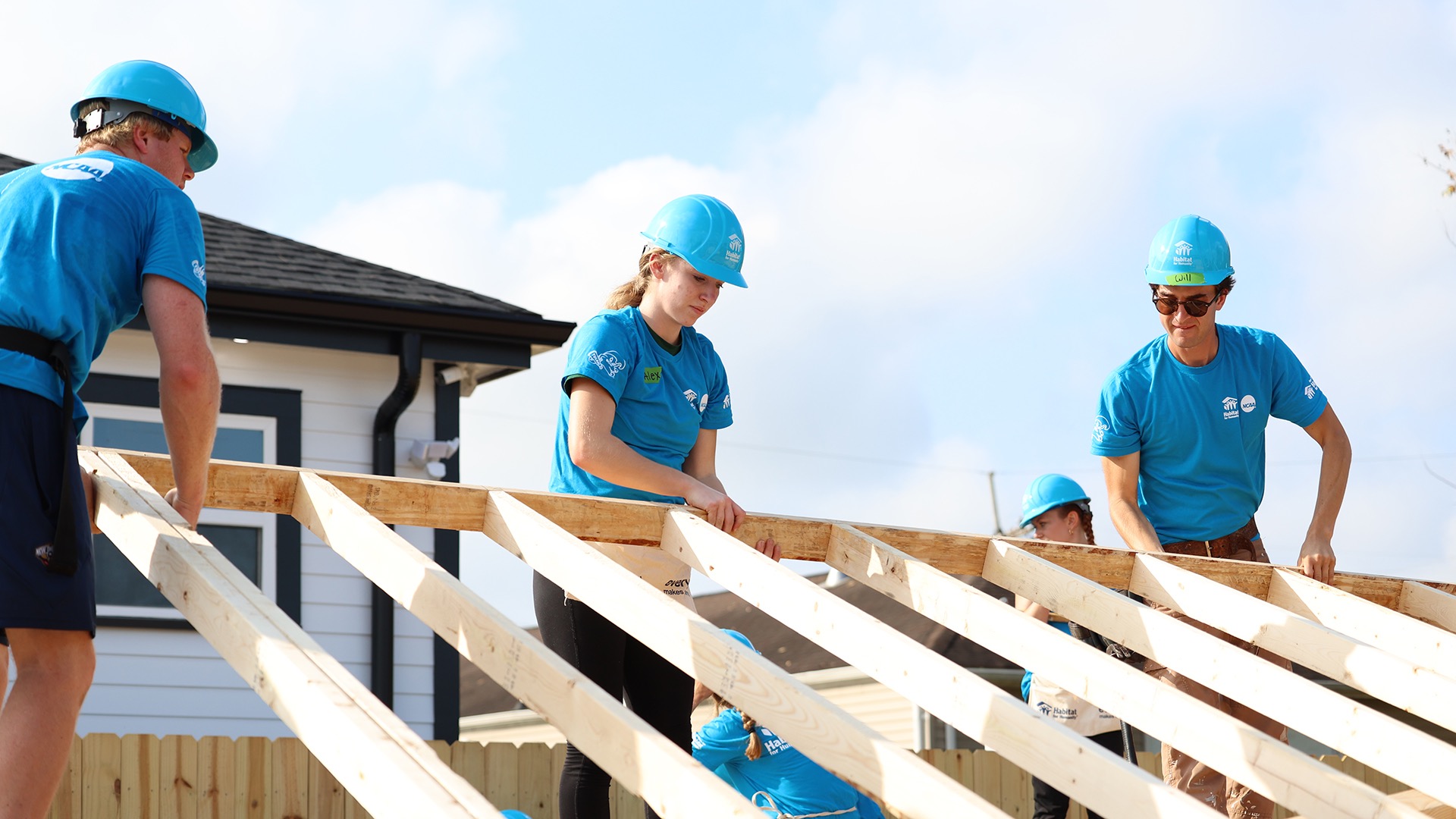
“Through the athletics department, they offer us these opportunities, and it makes it really easy to get involved because it is really hard to do anything else besides being a student and an athlete,” said Alex Sharp, a freshman on the track and field team at Tulane. “The emphasis that they put on this is great, and it provides us more opportunities that we wouldn’t normally get.”
Last month, the NCAA sponsored a build in Paradise, California, working with student-athletes and administrators from Chico State and the local Habitat for Humanity affiliate. In addition to the Habitat for Humanity builds at Tulane and Chico State, the NCAA is working with local affiliates to set up more build days with athletics departments to provide opportunities for student-athletes to become involved in their communities.
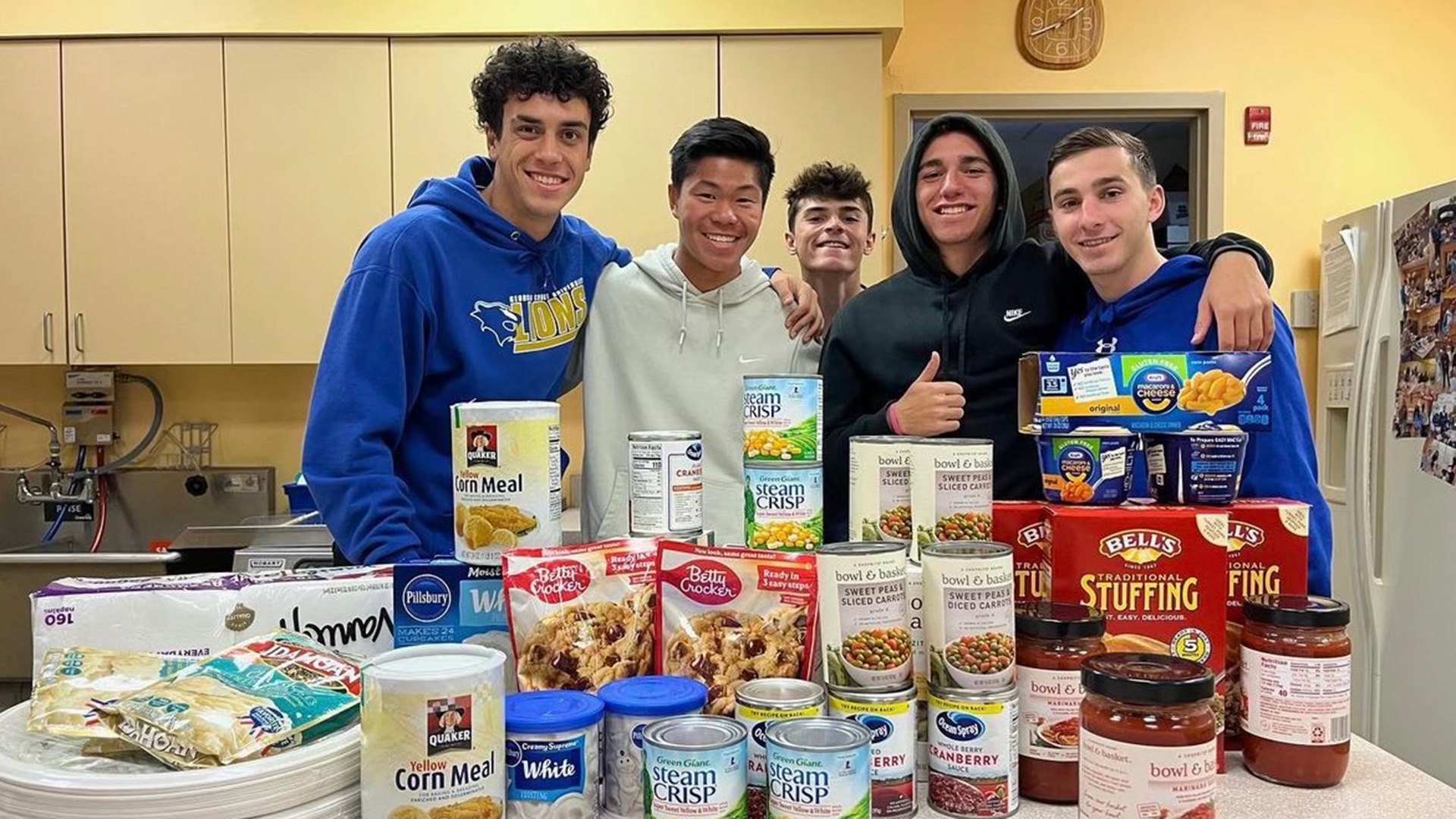
Athletics departments across the country are encouraging student-athletes to give back. Whether it be helping a food pantry, reading to kids or supporting another cause, student-athletes have served as leaders in their communities. To recognize the athletics departments with the highest number of service hours completed and highest number of participating student-athletes, the NCAA Team Works Community Service Competitionaward was founded 10 years ago. In 2023, Miami (Florida), Georgian Court and Oswego State received the award in their respective divisions for their commitment to community service.